Bambu Lab PETG Matte Review: 7 Essential Facts (2026)
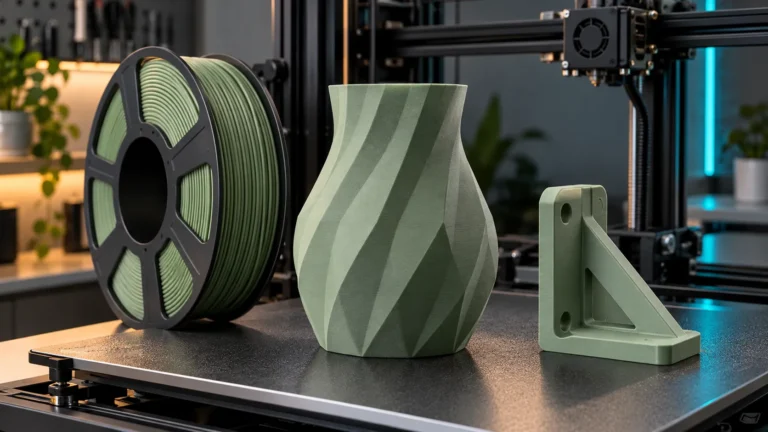
Bambu Lab PETG Matte review: finish, print settings, moisture behavior, support removal and who should buy this new 2026 filament.

Choose the right filament without guessing. Start with your Bambu Lab printer, the material you want to use, or the print problem you need to solve. Our guides separate official specifications, recurring owner reports, and editorial recommendations.
Dry PETG correctly · Compare PLA, PETG and PETG HF · Choose a PEI build plate
How we evaluate recommendations: we compare manufacturer documentation, material properties, printer requirements, recurring community evidence, and the trade-offs that matter in a real print—not just headline speed.
Bambu Lab PETG Matte review: finish, print settings, moisture behavior, support removal and who should buy this new 2026 filament.
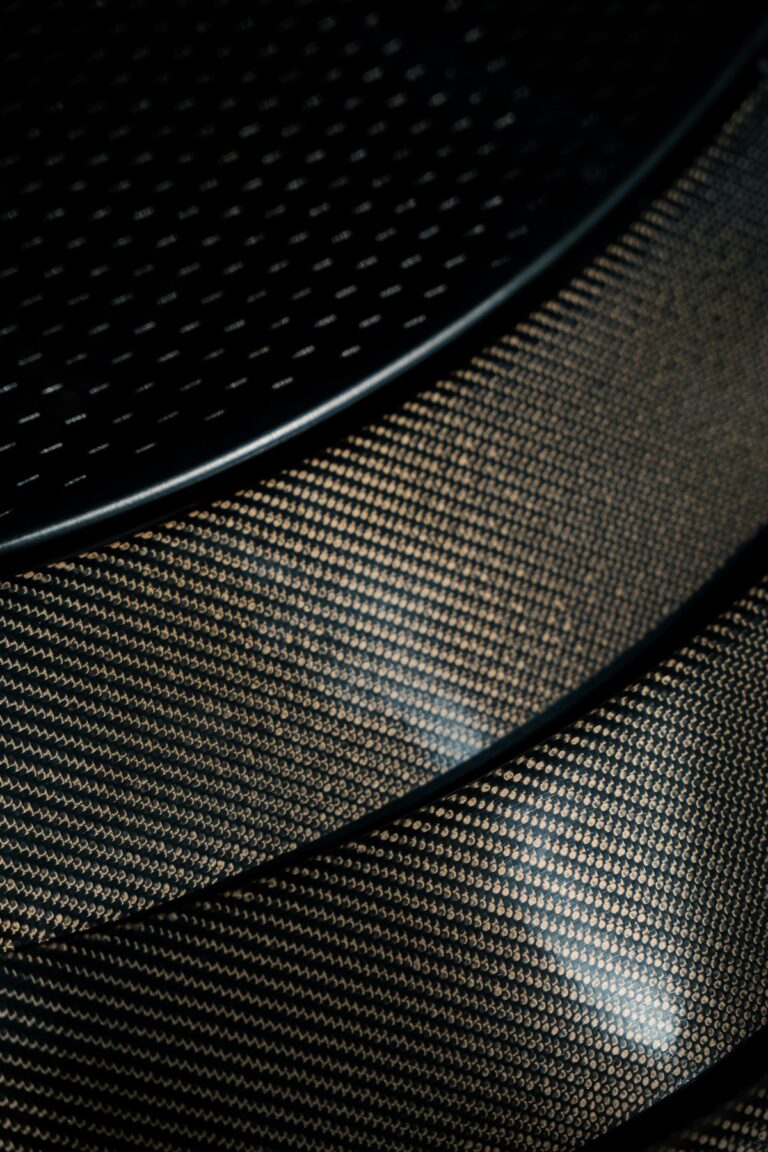
The strongest filament for Bambu P2S is not a single spool for every job. PA-CF options lead this group: PA6-CF for dry bending strength and stiffness, PAHT-CF retains more of its performance after moisture exposure and offers higher heat resistance,…
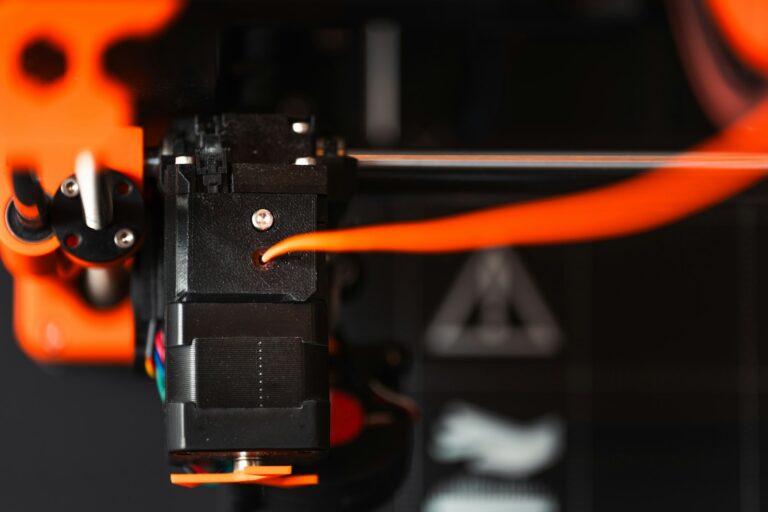
Bambu P2S TPU settings depend first on the type of flexible filament you load. Standard TPU 95A and softer grades should normally use the external spool path, while Bambu TPU for AMS is a different, stiffer formulation designed for supported…
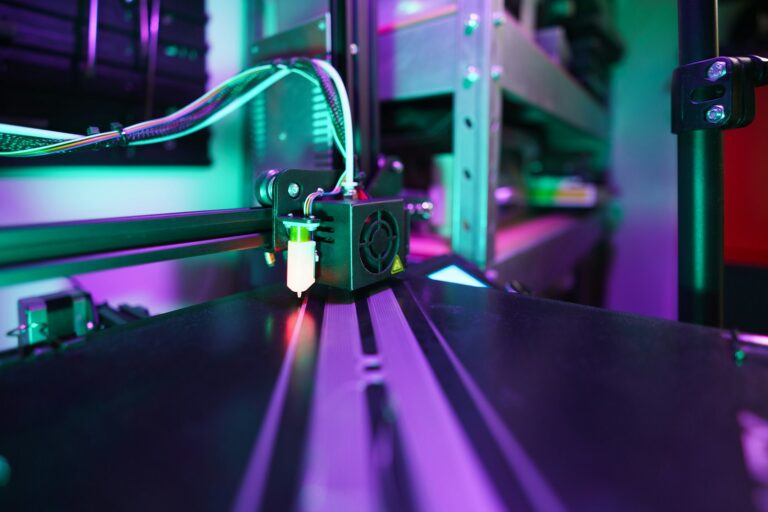
Bambu P2S PETG settings work best when the filament is dry and the correct Bambu Studio preset is active. PETG is one of the most useful materials for the P2S, but it exposes moisture, temperature and cooling mistakes faster than…
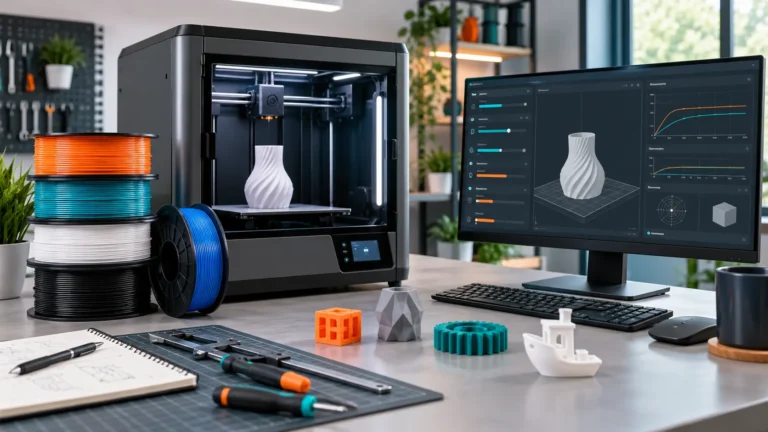
Polymaker LayerHub is a new community library for printer-and-filament-specific slicer profiles. It launches with roughly 400 presets and supports Bambu Studio, OrcaSlicer and PrusaSlicer—giving Bambu Lab users a faster starting point for third-party filament without pretending one profile works on…
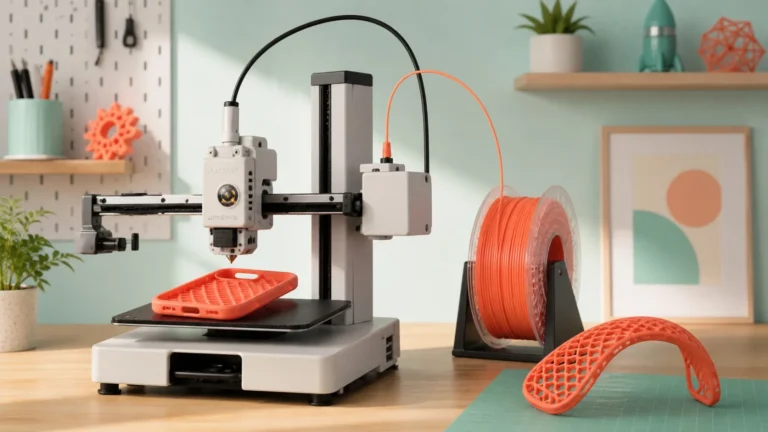
A practical A1 Mini TPU guide with a research-based 95A starting profile, external-spool feeding steps, tuning order, and fast fixes for common failures.
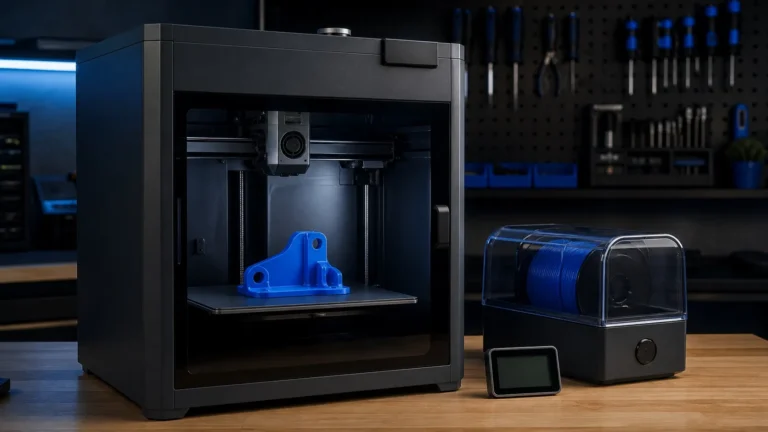
Build a dependable P1S PETG profile from official filament limits, then tune flow, cooling and enclosure behavior for cleaner surfaces and stronger layers.
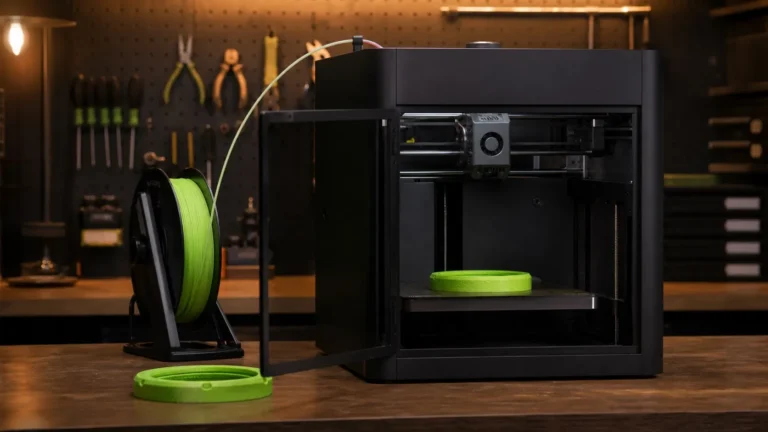
A research-based P1S TPU 95A starting profile, with external-spool setup, a sensible tuning order, AMS rules, and fixes for the failures that matter.
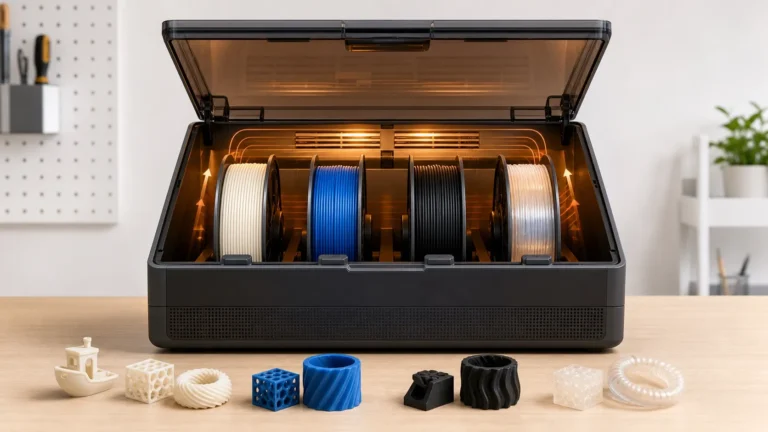
Use the right AMS 2 Pro drying settings for Bambu RFID and third-party spools, and know when the 65°C unit can only condition—not fully rescue—a material.
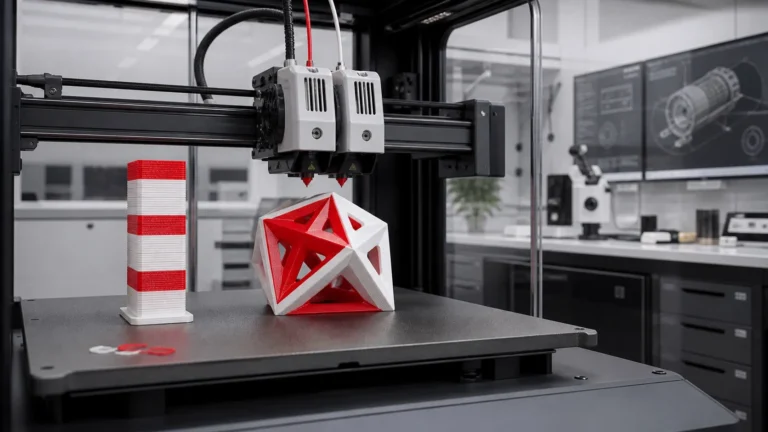
A practical X2D guide to reducing purge waste with documented Bambu Studio controls—without risky universal flush-volume numbers or zero-purge promises.