How to Print PC on Bambu Lab: Easy Polycarbonate Guide (2026)
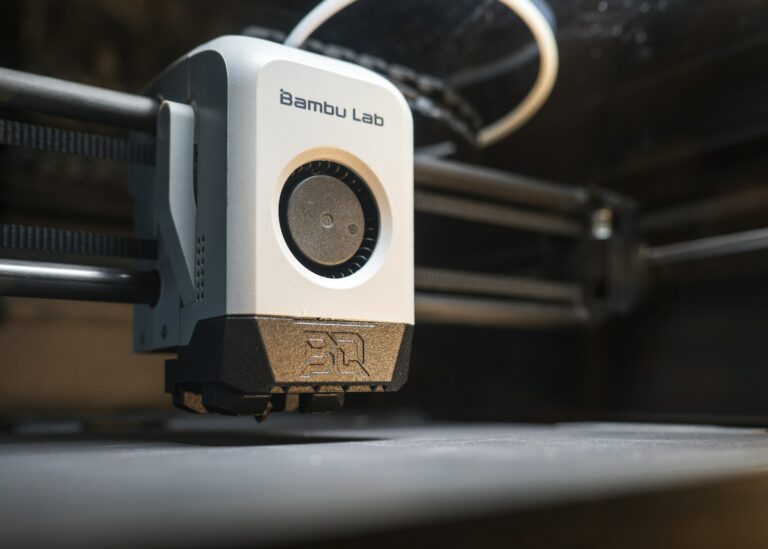
How to print PC on Bambu Lab printers: which machines qualify, 80°C drying, plate prep and slicer settings that stop layer cracking.

Choose the right filament without guessing. Start with your Bambu Lab printer, the material you want to use, or the print problem you need to solve. Our guides separate official specifications, recurring owner reports, and editorial recommendations.
Dry PETG correctly · Compare PLA, PETG and PETG HF · Choose a PEI build plate
How we evaluate recommendations: we compare manufacturer documentation, material properties, printer requirements, recurring community evidence, and the trade-offs that matter in a real print—not just headline speed.
How to print PC on Bambu Lab printers: which machines qualify, 80°C drying, plate prep and slicer settings that stop layer cracking.
PETG vs ABS on Bambu Lab printers: strength, heat resistance, warping, safety and cost compared — and which one fits your printer and parts.
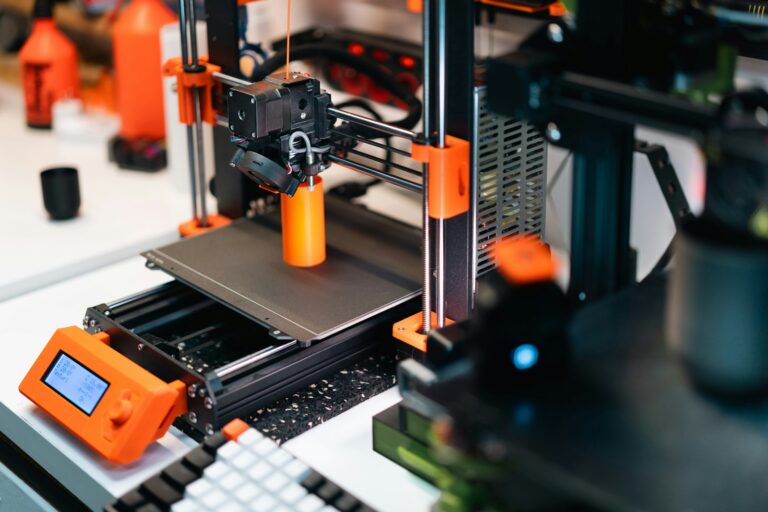
How to print TPU on Bambu Lab printers: AMS compatibility rules, drying, feeding setup and slicer settings for TPU 95A and TPU for AMS.
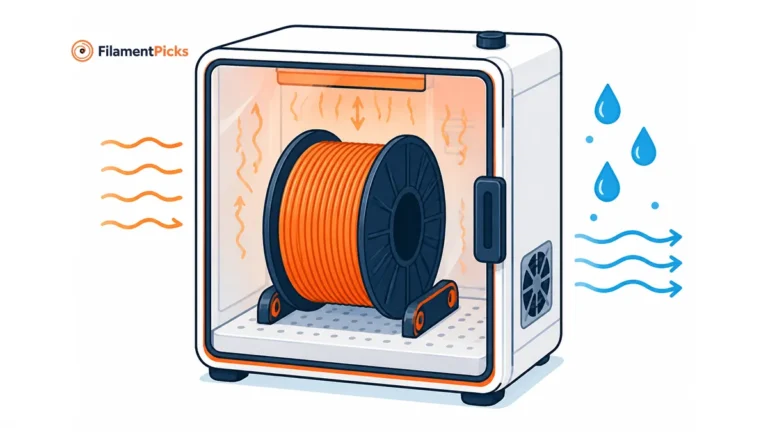
Research-based guide. The settings below draw on Bambu Lab’s official material documentation, manufacturer spec sheets, and widely reported community experience — not a single hands-on lab test. FilamentPicks is reader-supported. Some links on this page are affiliate links — as…
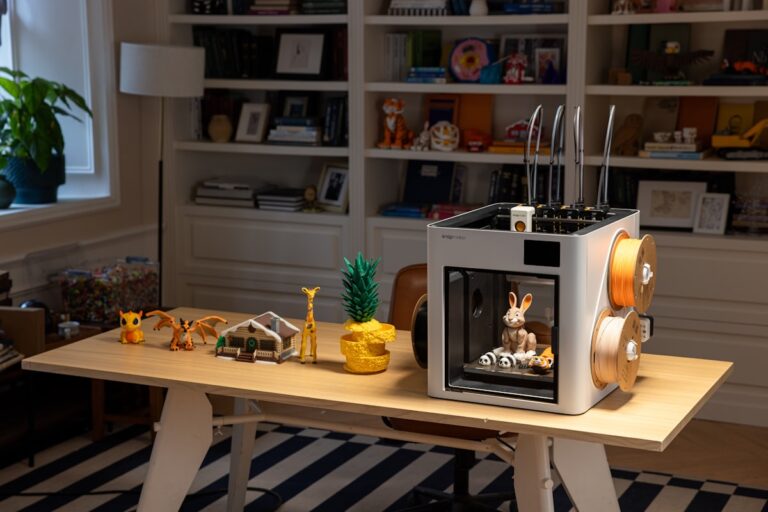
How to print ASA on Bambu Lab: researched settings, chamber temps, bed adhesion and ventilation tips to stop warping on X1C, P1S, P2S and X2D.
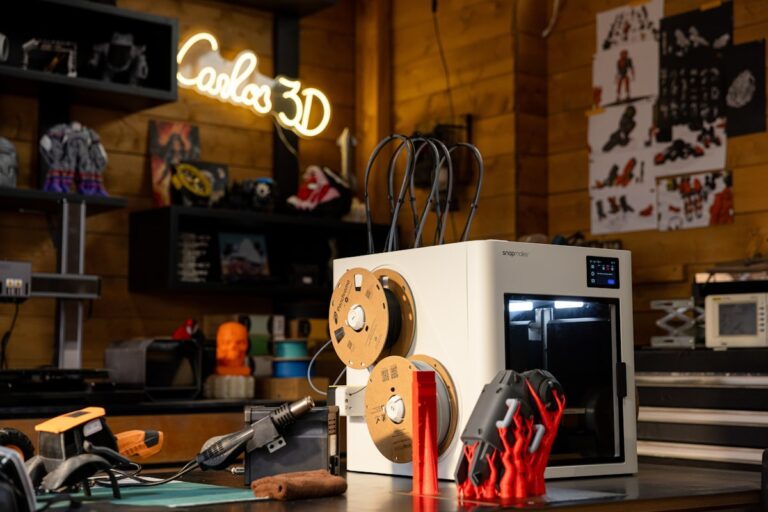
Best budget filament for Bambu Lab in 2026: SUNLU, JAYO, Elegoo and eSUN compared by price, AMS reliability and quality — researched picks under $18/kg.
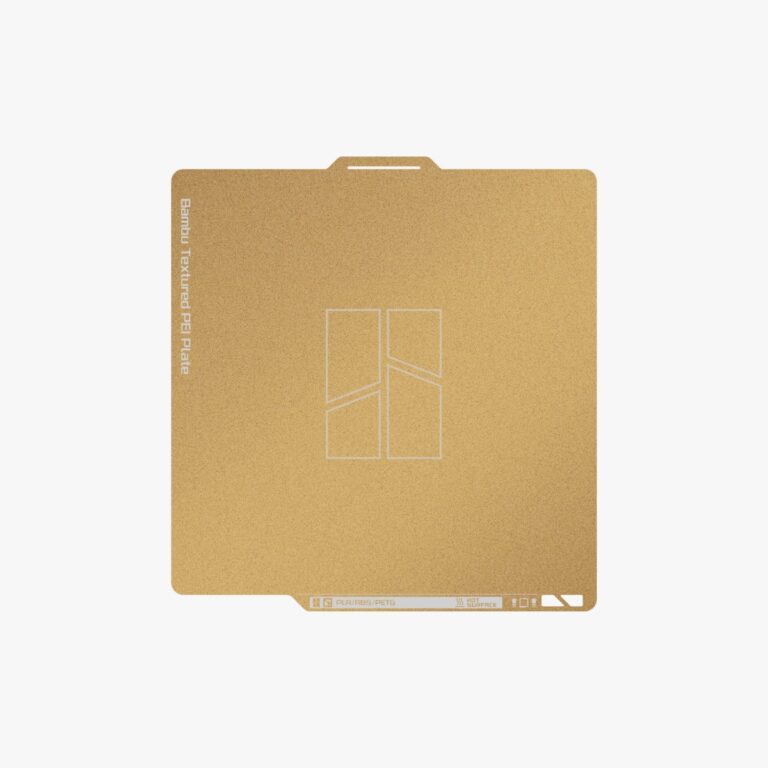
Textured vs smooth PEI plate for Bambu Lab, compared: adhesion, finish, filament compatibility, the PETG glue rule, and gen 1 vs gen 2 plates for P2S/X2D.
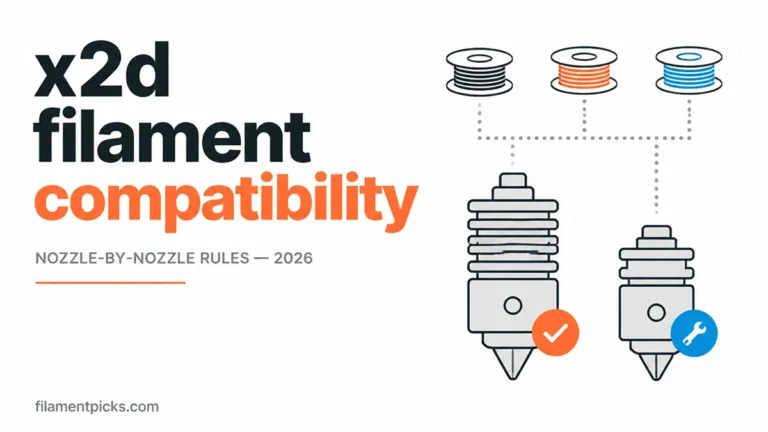
X2D filament compatibility explained: what the main and auxiliary nozzles handle, TPU rules, AMS limits, track switch warnings, and what to avoid.

We aggregated Bambu's wiki and r/BambuLab reports to rank what really causes AMS feed failures — and the fixes that work.
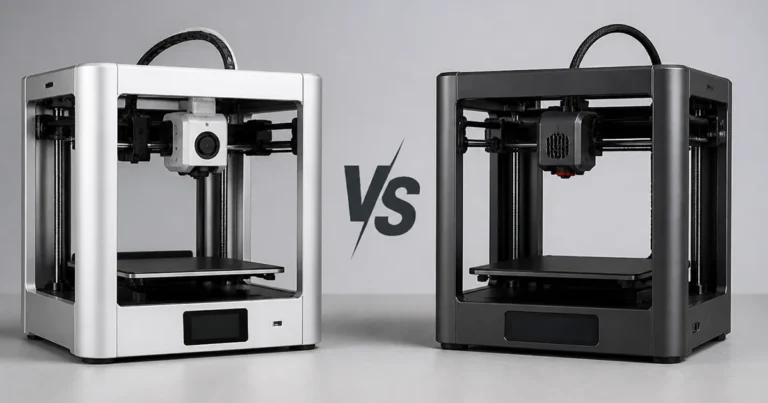
Bambu Lab discontinued the X1 Carbon in March 2026 and replaced it at the top of its compact lineup with the X2D — a dual-nozzle machine with an actively heated chamber, launched at less than the X1C once cost. If…