Bambu A1 Filament Compatibility: Best 2026 Guide
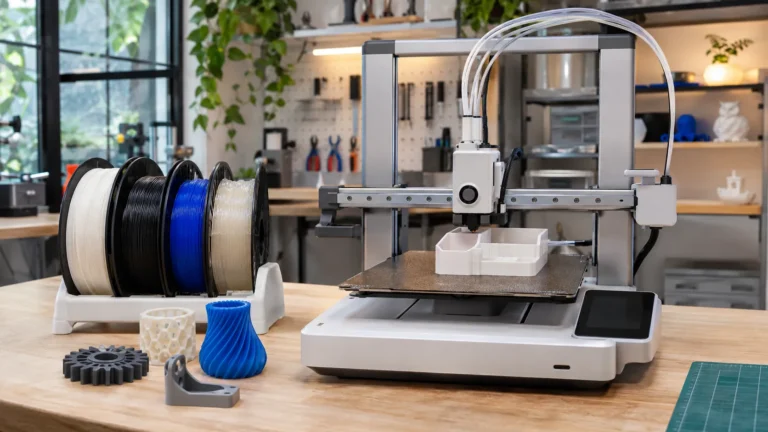
Bambu A1 filament compatibility explained: see which PLA, PETG, TPU and support materials work, what to avoid, and when to use AMS Lite or an external spool.

Bambu A1 filament compatibility explained: see which PLA, PETG, TPU and support materials work, what to avoid, and when to use AMS Lite or an external spool.
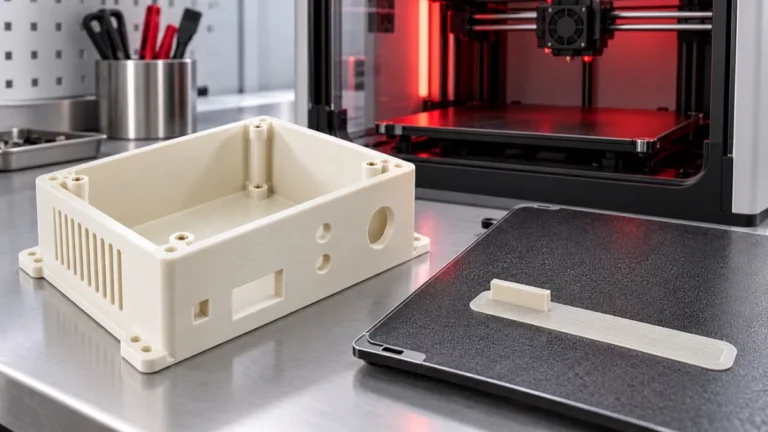
Reliable Bambu P2S ABS settings for temperature, cooling, enclosure stability, calibration, bed adhesion and the most common print failures.
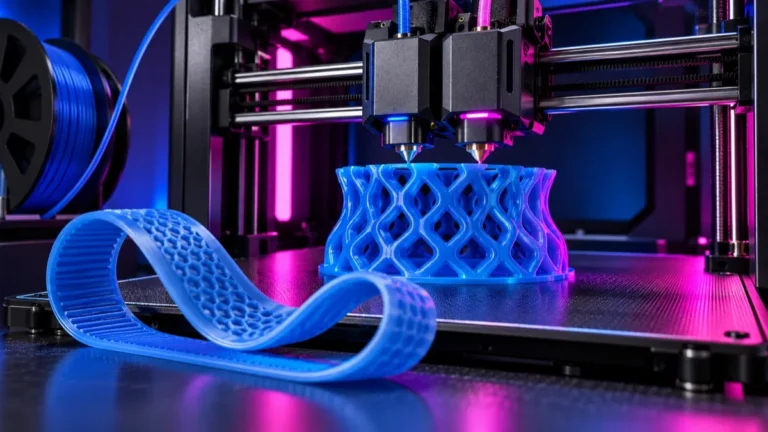
Set up TPU on the Bambu X2D with the right feed path, drying routine, speed limits, retraction, dual-nozzle plan and functional validation.
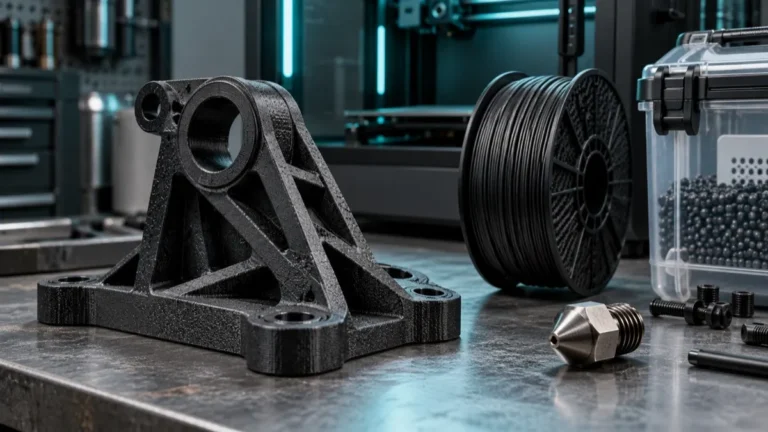
A P2S-focused nylon and PA-CF workflow for drying, hardened nozzle selection, feed paths, calibration, adhesion and functional-part validation.
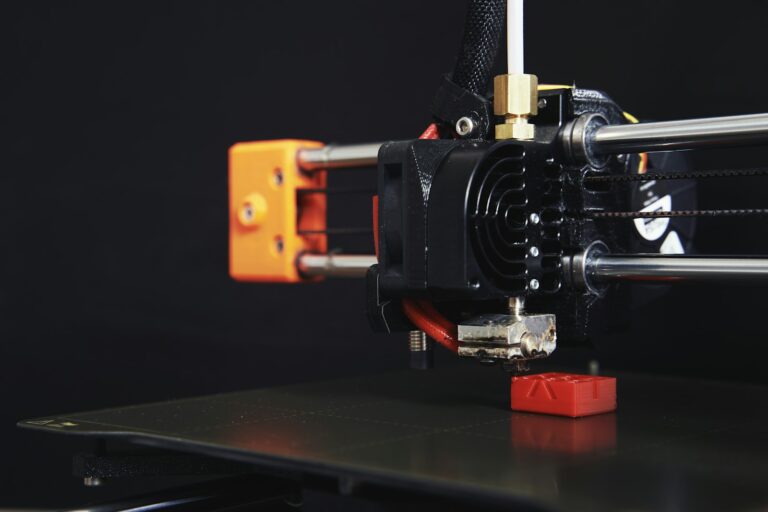
Bambu H2S filament compatibility by material, nozzle and AMS route. See safe choices for PLA, TPU, engineering polymers and abrasive composites today.
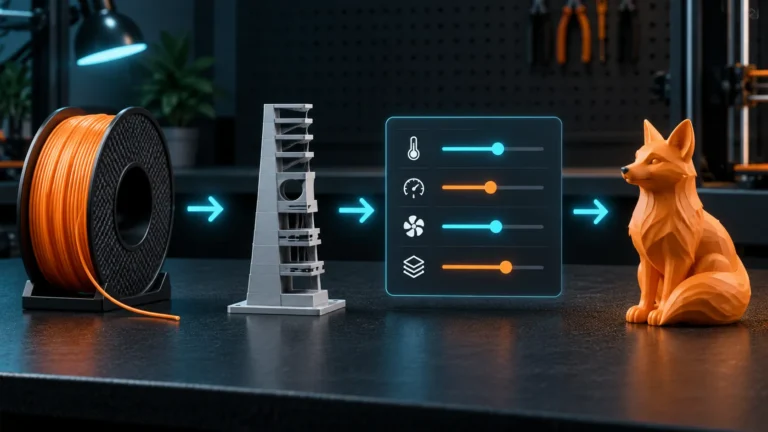
Follow this Bambu Lab flow calibration workflow for flow ratio, Flow Dynamics K and maximum volumetric speed, with correct order and clear diagnosis.
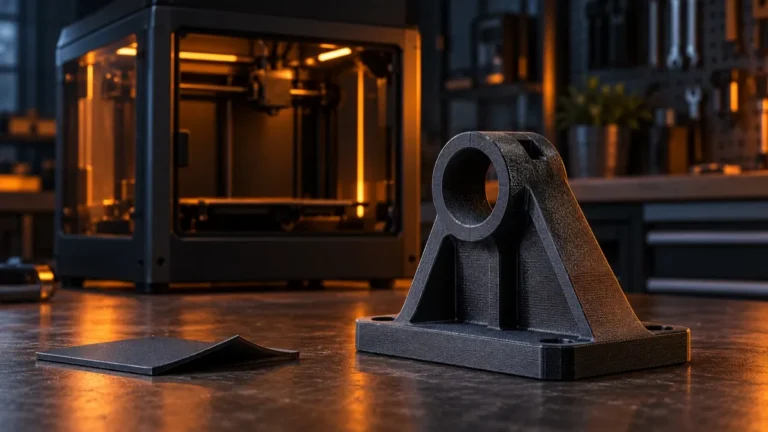
A practical Bambu P2S ASA setup guide covering temperature, chamber stability, cooling, calibration, plate adhesion and fixes for warped functional parts.
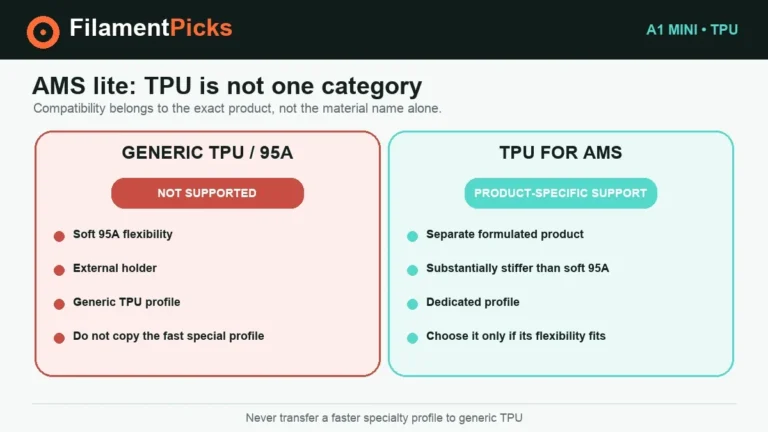
Bambu AMS Lite filament compatibility explained: supported and risky materials, spool dimensions, TPU and abrasive limits, feeding, storage, and fixes.
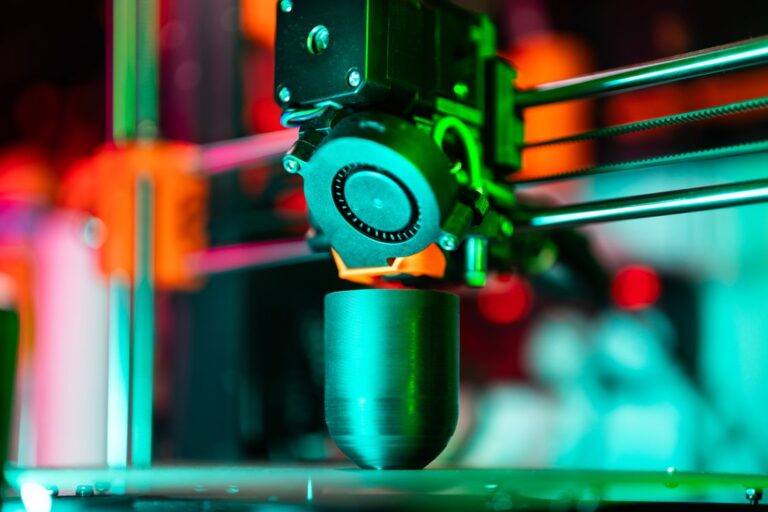
Use this Bambu Lab nozzle clog fix to identify partial or full clogs, separate feeder faults from hotend faults, clear them safely, and prevent repeats.
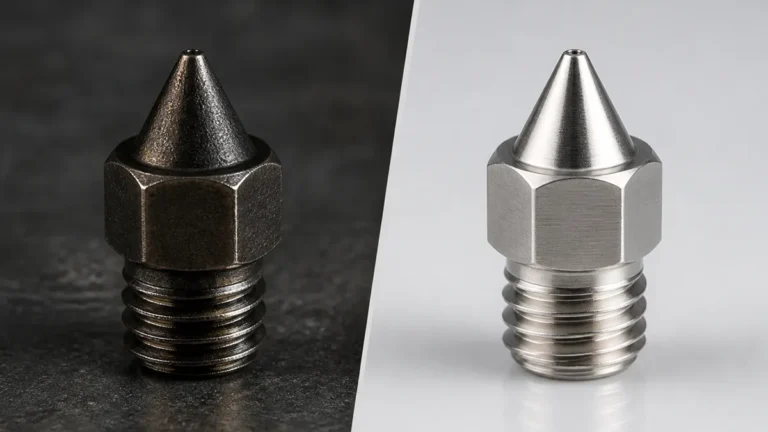
Bambu H2C filament compatibility explained: Vortek hotends, nozzle choices, AMS routing, flexible and abrasive materials, limits, and setup checks.