

Wondering how to dry filament properly? Heat it below its softening point for several hours: PLA at 45–50°C for 6–8 hours, PETG at 65°C for 6 hours, ABS/ASA at 70–80°C for 4–8 hours, TPU at 50–70°C for 4–8 hours, and nylon at 80–95°C for 8–16 hours. Never exceed these temperatures — PLA in particular begins deforming around 64°C and will fuse into a solid puck.
Wet filament is the most common invisible print killer: absorbed water flashes to steam in the 200–300°C melt zone, causing popping sounds, stringing, rough surfaces and 20–50% weaker parts. This research-based guide compiles official Bambu Lab, Prusa and manufacturer drying data into one reference.
👉 See also: our filament dryer roundup for Bambu Lab.
How to Dry Filament: The Complete Chart (2026)
| Material | Temperature | Time | Notes |
|---|---|---|---|
| PLA | 45–50°C | 6–8 h | Never above 55°C — softens at ~64°C |
| PETG | 65°C | 6 h | Re-absorbs within days; store sealed |
| ABS | 70–80°C | 4 h | Higher end if severely wet |
| ASA | 75–80°C | 4–8 h | Same family as ABS |
| TPU | 50–70°C | 4–8 h | Follow spool label; very hygroscopic |
| Nylon (PA) | 80–95°C | 8–16 h | Needs a dryer that reaches 95°C |
| PC | 85–100°C | 4–8 h | Aggressively hygroscopic |
| PVA | 45–55°C | 4–6 h | Degrades above 60°C |
Rule of thumb for how to dry filament of any type: standard materials dry at ~60°C or below, engineering filaments at 80°C and above. Always defer to your spool’s label if the manufacturer specifies different values.

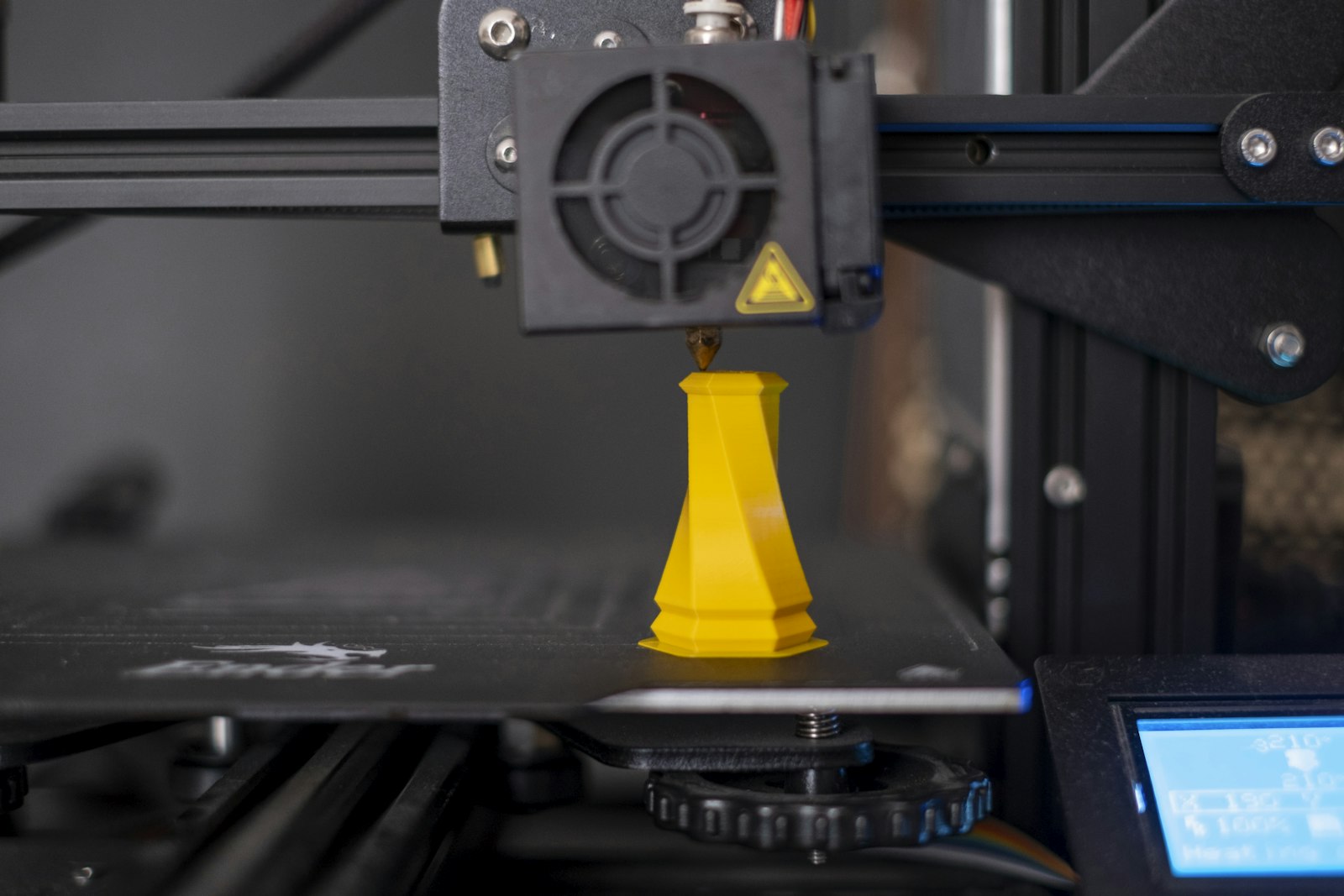
Photo: Osman Talha Dikyar / Unsplash
👉 See also: Bambu Lab Print Not Sticking? 12 Bed Adhesion Fixes (2026) — wet filament is a top cause of first-layer failures.
How to Tell Your Filament Is Wet
- Popping, crackling or hissing at the nozzle — steam escaping the melt.
- Excessive stringing that retraction tuning won’t fix (common with PETG — see our PETG stringing fixes).
- Rough, bubbly or inconsistent surface finish.
- Weak layer adhesion and brittle parts.
- Fast absorbers show symptoms first: nylon can turn “wet” in 12–24 hours of open air; PLA takes weeks.
How to Dry Filament: The 4 Methods, Ranked
1. Dedicated Filament Dryer (Best)
The best way to dry filament is a dryer box: it holds a precise temperature, shows humidity, and lets you print straight from the box — critical for nylon and TPU, which re-absorb moisture within hours. This is the only method that comfortably reaches the 95°C nylon needs. Our filament dryer roundup covers the current picks.
2. Food Dehydrator (Best Budget)
A ~$40 dehydrator with the trays removed handles PLA, PETG and TPU perfectly. Verify with an external thermometer — cheap units run 5–10°C off — and note most max out near 70°C, which rules out nylon and PC.
3. Bambu Heatbed Method (Free)
Bambu Lab’s official wiki describes drying spools directly on the heated bed under a printed cover: select the filament type, set bed temperature and duration, and flip the spool midway for even heating. It also works for regenerating AMS desiccant. Slower than a dryer, but costs nothing.
4. Kitchen Oven (Use With Caution)
Ovens overshoot by 10–20°C at low settings, which is fatal for PLA. If it’s your only option: verify with an oven thermometer, crack the door open so moisture escapes, skip the convection fan, and never use it for PLA.
Can the AMS Dry Filament?
The AMS 2 Pro actively dries up to 65°C — well suited to PLA and PETG, but below the effective minimum for ABS (~70°C) and far below nylon’s 80–95°C requirement. Bambu’s firmware also lowers the drying temperature automatically during printing (45°C for PLA, 55°C for PETG) to prevent softening in the feeder. Treat the AMS as maintenance drying, not rescue drying — and check our nylon guide and TPU guide for material-specific workflows.
After Drying: Storage Decides Everything

Photo: Snapmaker / Unsplash
PETG and nylon can re-absorb to problem levels within 24 hours in a humid room. Move spools straight from the dryer into sealed bags or boxes with indicator desiccant, keep a hygrometer inside (target under 15% RH), and regenerate silica gel in the oven when it changes color. Our filament storage guide covers full setups, and heat-tolerant materials get their own treatment in the heat-resistant filament roundup. Per-material profiles live in the settings database.
How to Dry Filament — FAQ
How long does it take to dry filament?
To dry filament properly, most materials need 4–8 hours at the correct temperature. Mildly damp PLA can recover in 2–3 hours, while severely wet nylon may need 12–16 hours at 80–95°C. When in doubt, dry longer at the correct temperature rather than hotter.
Can you dry filament in the AMS?
Yes, partially: the AMS 2 Pro dries up to 65°C, which covers PLA and PETG maintenance drying. It cannot rescue wet ABS, nylon or PC — those need a dedicated dryer.
Does drying fix already-damaged filament?
When you dry filament you remove moisture and restore print performance, but it cannot reverse hydrolysis. Badly degraded nylon or PETG that has been wet for months may never print like new again — drying early is far cheaper than replacing spools.
How do you know the filament is dry?
Once you dry filament fully, the popping and hissing at the nozzle stops, stringing drops sharply, and surfaces come out smooth. A dryer with a humidity display makes it measurable: aim for under 15% RH inside the chamber before you trust the spool.
Affiliate disclosure: FilamentPicks may earn a commission from qualifying purchases made through links on this page, at no extra cost to you. All recommendations are based on manufacturer specifications and community-verified data.