

Best overall pick
ASA is the best filament for outdoor use because it handles UV, rain and temperature swings. Choose PETG for easier printing in shade, PC for combined heat and impact, and TPU for flexible outdoor parts.
This research-based ranking of filament for outdoor use compiles manufacturer UV and weathering data with community reports, mapped to what each Bambu Lab printer can actually run. For heat specifically, see our heat-resistant filament roundup.
The Best Filament for Outdoor Use, Ranked (2026)
| Rank | Material | Why | Watch out |
|---|---|---|---|
| 1 | ASA | Best UV + weathering, ~98°C, no yellowing | Enclosure + ventilation needed |
| 2 | PETG | Easy, hydrophobic, prints on A1 | Yellows in full sun after 6–12 months |
| 3 | PC | UV stabilizers + extreme heat and impact | Hardest to print, priciest |
| 4 | TPU | Flexible seals, gaskets, bumpers | Moderate UV resistance only |
| 5 | PLA | Temporary or fully shaded decor only | Softens ~60°C, degrades in sun |

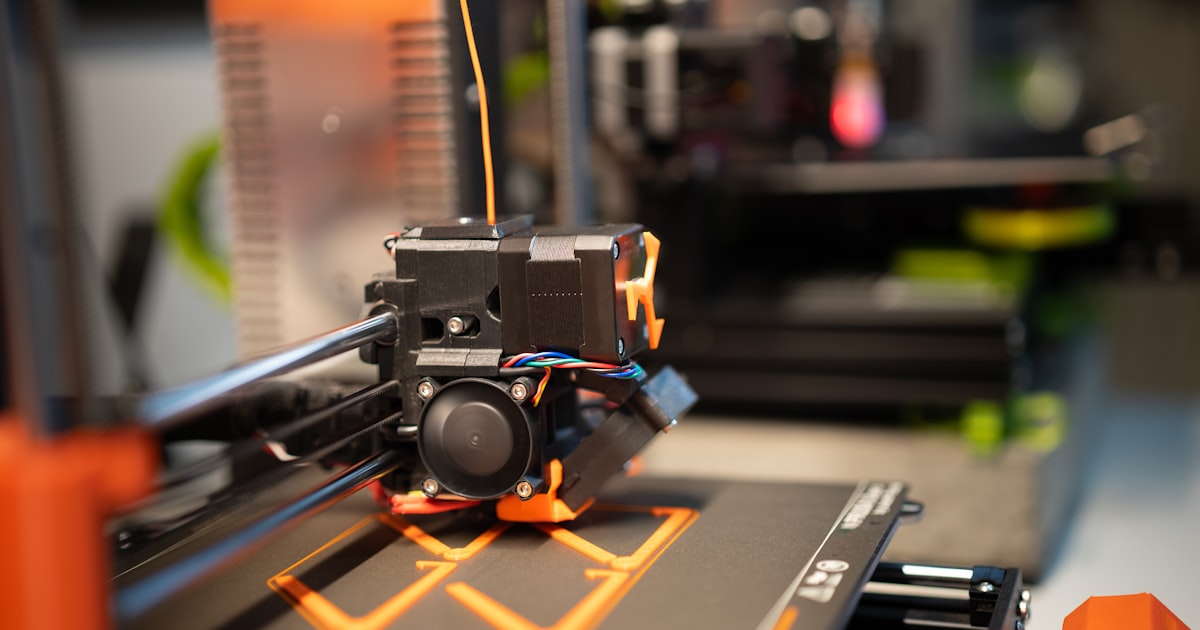
Photo: Osman Talha Dikyar / Unsplash
1. ASA — The Outdoor King
As the best filament for outdoor use overall, ASA was engineered as the weatherable successor to ABS: same ~98°C heat class, but it does not yellow, crack or embrittle under UV. It is the default for car exterior parts, garden fixtures, outdoor enclosures, signage and drone frames. It needs an enclosed printer and good ventilation — start with our ASA printing guide and pick a spool from the best ASA filament roundup. Full family comparison in ABS vs ASA.
2. PETG — Easy Mode for Shade and Short-Term
If you need an easy filament for outdoor use, PETG is hydrophobic, tough and prints on the open-frame A1 series. UV resistance is decent but not ASA-class: in full sun expect yellowing and embrittlement within 6–12 months. Perfect for planters, fence clips, hose holders and anything shaded — our PETG roundup has current picks.
3. Polycarbonate — Heat + Impact Extremes
PC blends ship with UV stabilizers and shrug off both discoloration and impacts, with the highest heat ceiling of the mainstream options. Reserve it for load-bearing parts that also bake in the sun — see how to print PC.
4. TPU — Flexible Outdoor Parts
For gaskets, seals, phone-mount dampers and bumpers, TPU is the only flexible filament for outdoor use. UV tolerance is moderate; minimize prolonged direct sun or paint the part.
5. PLA — Only If It Is Temporary
PLA softens around 60°C — a summer afternoon on a dark surface is enough — and UV makes it brittle. Use it for seasonal decorations in shade, nothing functional.
Printer Compatibility
| Material | A1 / A1 mini / A2L | Enclosed (P1S/X1C/X2D/H2S/H2D) |
|---|---|---|
| PETG, TPU, PLA | Yes | Yes |
| ASA | Not recommended | Yes |
| PC | No | Yes |
Not sure what your printer can run? Check the Bambu filament compatibility checker.
Quick Pick by Outdoor Project
Choose ASA for permanent fixtures, signs and enclosures.
Choose PETG for shaded brackets, planters and clips.
Choose PC on a capable enclosed Bambu printer.
Choose TPU for seals, gaskets and bumpers.
Make Outdoor Prints Last Longer
- Whatever filament for outdoor use you pick, lighter colors run cooler; dark parts absorb heat and hit deformation temps faster.
- A UV-resistant clear coat adds years of life, even on PETG.
- Thicker walls (3+ perimeters) slow embrittlement failures.
- Dry the filament first — wet spools print weak parts that fail outdoors sooner. Full guide: how to dry filament.
For deeper UV data per material, MatterHackers’ outdoor materials overview is a solid external reference.
Filament for Outdoor Use: FAQ
How long does PETG last outside?
In full sun, expect visible yellowing and gradual embrittlement within 6–12 months; in shade or indirect light it can serve for years. For anything permanent and sun-exposed, step up to ASA.
Is PLA ever OK outdoors?
Only for temporary, shaded, decorative pieces. Heat is the bigger enemy than UV: a dark PLA part on a sunny deck can pass its ~60°C softening point in one afternoon.
Do I need an enclosure for outdoor filaments?
For ASA and PC, yes — both warp on open-frame printers and ASA needs ventilation for styrene fumes. PETG and TPU print fine on the A1 series, which makes them the practical choice for open-printer owners.
Does color matter for outdoor prints?
Yes, twice over: darker parts absorb more heat and deform sooner, and some pigments fade faster under UV. Lighter, UV-stable colors plus a clear coat is the longest-lasting combination.
Affiliate disclosure: FilamentPicks may earn a commission from qualifying purchases made through links on this page, at no extra cost to you. All recommendations are based on manufacturer specifications and community-verified data.