

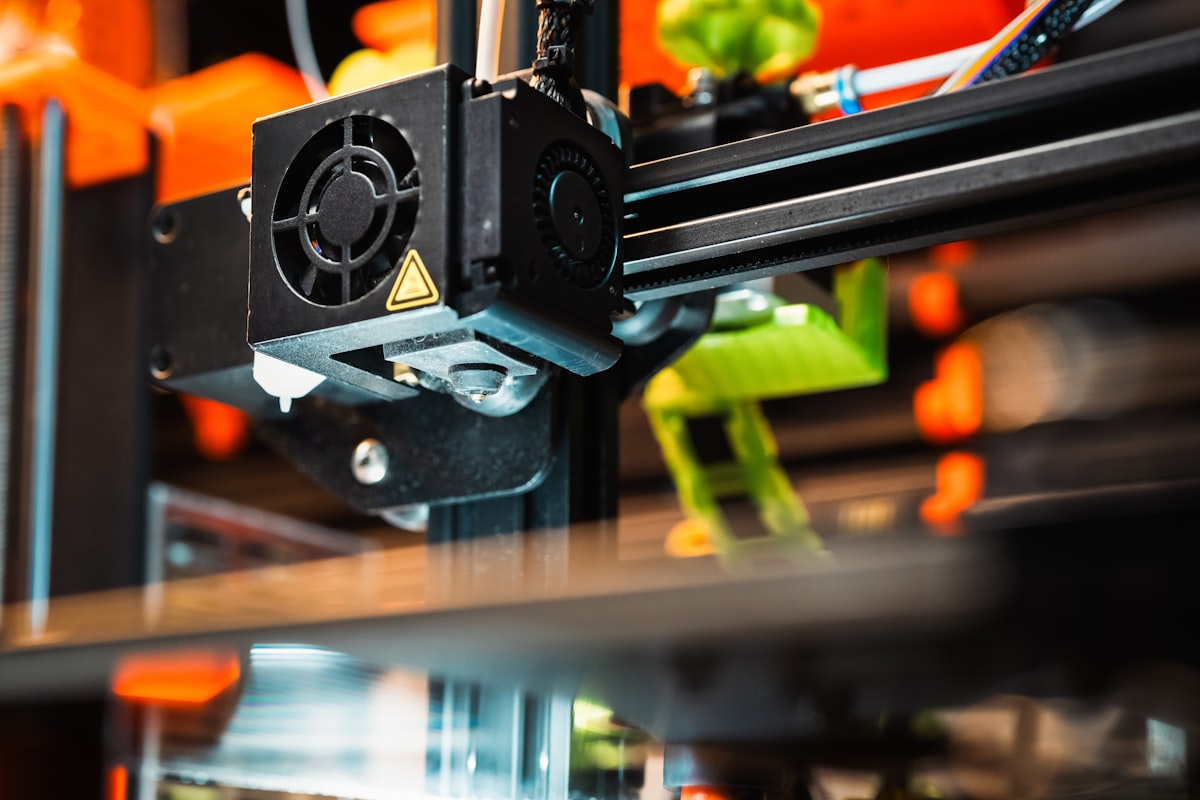
Choosing the best filament for Bambu X1 Carbon is the single decision that separates great prints from wasted material. The X1 Carbon ships with an enclosed chamber, a hardened steel nozzle, full AMS support, and print speeds up to 500mm/s — but those capabilities only translate into results when the filament is matched correctly to the job. The wrong brand under-extrudes at speed, the wrong material warps without an enclosure, and the wrong composite destroys a brass nozzle in hours.
FilamentPicks is reader-supported. Some links on this page are affiliate links — as an Amazon Associate we earn from qualifying purchases, at no extra cost to you.
This guide is a research comparison based on current manufacturer specifications, material data sheets, Bambu Studio profiles, and recurring owner reports for PLA, PETG, ABS, ASA, TPU, PLA-CF, and PA-CF. Filament behavior varies by formula and batch, so use the settings below as starting ranges rather than test results from our own lab.
Why Filament Choice Matters More on the X1 Carbon
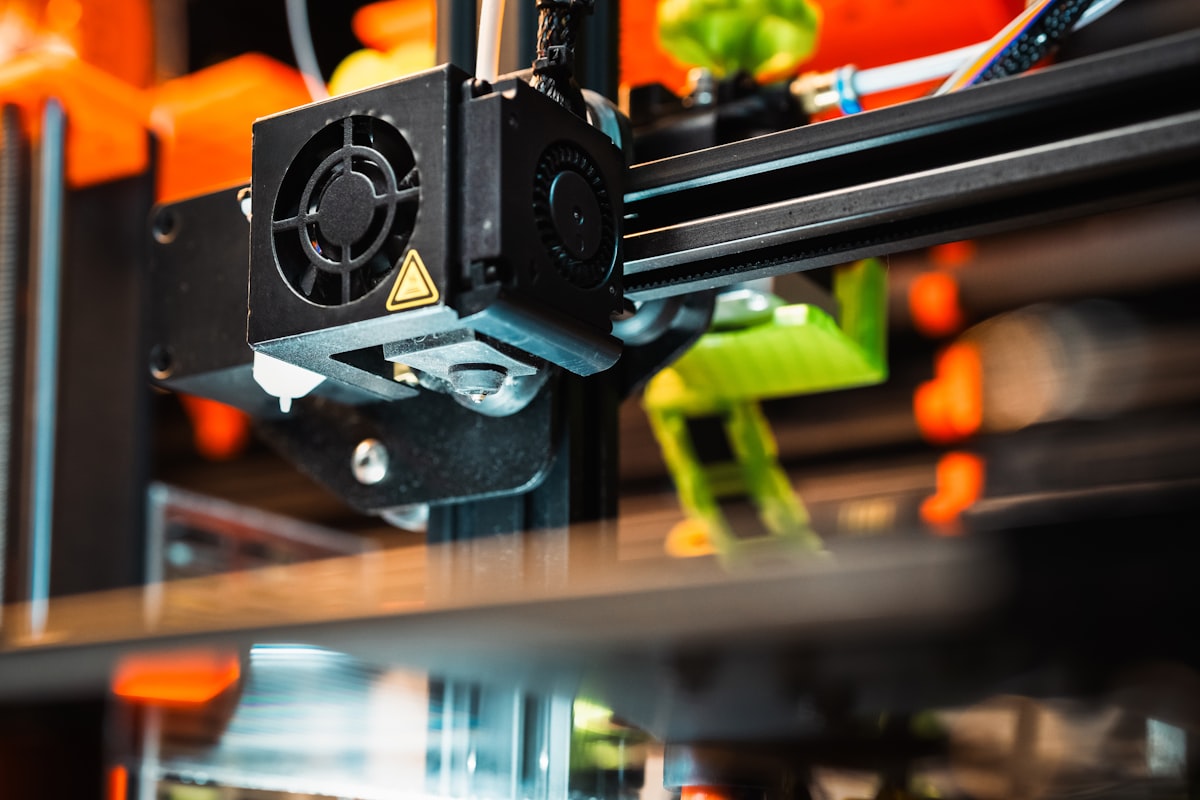
Three features broaden the X1C material range: a hardened-steel nozzle, an enclosed build volume, and optional AMS feeding. The enclosure is passively heated by the bed and hotend rather than actively temperature-controlled. AMS compatibility depends on the exact filament and spool; follow Bambu’s current compatibility guidance, and use the external spool path for flexible or abrasive materials that are not approved for your AMS.
Best Filament for Bambu X1 Carbon — Quick Answer
- Convenient PLA starting point: Bambu Lab PLA Basic — native spool identification and an associated material profile
- Best current Polymaker PLA: Panchroma Basic PLA — current-generation everyday PLA; calibrate once and save the profile
- Best current third-party PETG: Polymaker PETG — high-flow formula, broad color range and direct first-order discount
- Best ABS: Bambu Lab ABS — RFID, minimal warping in X1C enclosure
- Best ASA: Polymaker ASA — better color range, excellent UV stability
- Best carbon fiber: Bambu Lab PA6-CF — RFID, maximum AMS compatibility, engineering strength
Best PLA for Bambu X1 Carbon
#1 Bambu Lab PLA Basic — Best Overall
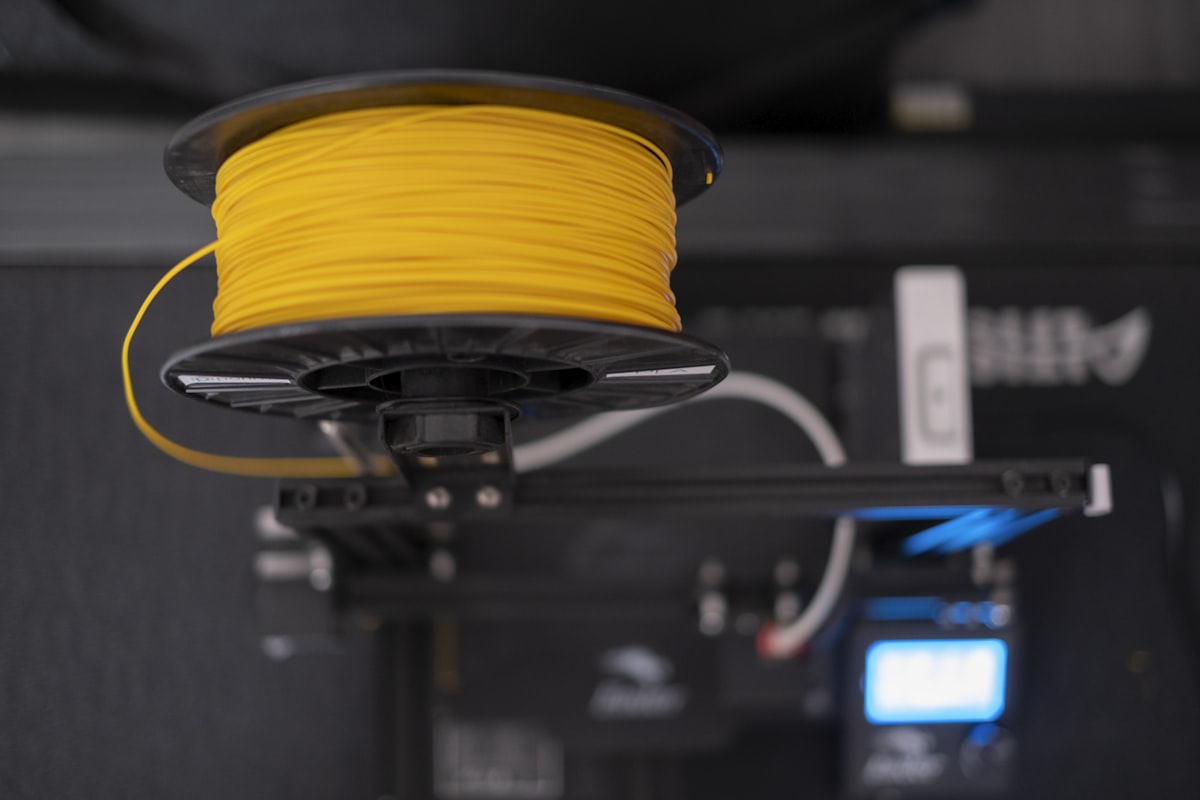
Bambu Lab PLA Basic is a convenient native option because its RFID tag identifies the spool and loads the associated material profile in compatible Bambu software. Confirm the selected plate and profile before printing, and calibrate when a particular color or spool shows a flow or surface-quality issue.
#2 Panchroma Basic PLA — Best Current Polymaker PLA
Panchroma Basic PLA is Polymaker’s current everyday PLA line. Start from Generic PLA, run the X1C flow calibration once, and save the result as a named profile. It is the safer long-term recommendation now that PolyLite PLA is being retired. Get 15% off your first order with code BALUTAVLAD.
#3 eSUN PLA+ — Best Budget PLA
eSUN PLA+ has a saved calibrated profile, excellent batch-to-batch consistency, and costs $16–20/kg. Slightly stronger than standard PLA with better impact resistance. The workhorse for high-volume printing where cost is the priority.
Best PETG for Bambu X1 Carbon
PETG is a useful step up from PLA when a part needs more heat resistance or toughness. Actual speed depends on the filament’s recommended volumetric flow, temperature range, dryness, and model geometry; start from the matching manufacturer or Generic PETG profile. For stringing fixes and full settings, see our PETG Print Settings for Bambu Lab guide.
#1 Polymaker PETG — Best Current High-Flow PETG
Polymaker PETG is the current high-flow third-party choice for the X1C, with broad color availability and dependable functional performance. Start from the current Polymaker or Generic PETG profile and calibrate flow once. Get 15% off your first Polymaker order with code BALUTAVLAD. See our PETG replacement comparison.
#2 Overture PETG — Best Third-Party PETG
Overture PETG is a widely available standard-speed option. Start with Generic PETG, follow the range printed on the spool, and calibrate flow for the specific color or batch. If the roll uses a cardboard spool, confirm that it feeds and rotates freely before using it with an AMS. For troubleshooting, see our PETG Stringing guide.
Best ABS and ASA for Bambu X1 Carbon
The X1C enclosure helps manage warping with ABS and ASA, but the printer’s filter does not make emissions harmless. Use these materials only with appropriate room ventilation or source extraction, and follow the filament maker’s safety guidance. For material selection, see our Bambu Filament Compatibility Checker.
Best ABS: Bambu Lab ABS
Bambu Lab ABS with RFID auto-profiles is the most reliable ABS option on the X1C. Minimal warping with the enclosure closed. Settings: 240–260°C nozzle, 90–100°C bed. Third-party pick: eSUN ABS+ — less warping than standard ABS, $18–22/kg, 240°C nozzle, Generic ABS profile.
Best ASA: Polymaker ASA
ASA is generally selected over ABS for outdoor parts because ASA formulas are designed for better weather and UV resistance. For Polymaker ASA, use the current product data sheet and start from its recommended nozzle, bed, enclosure, and ventilation guidance; do not transfer settings from a retired PolyLite profile without checking them.
Best Carbon Fiber Filament for Bambu X1 Carbon
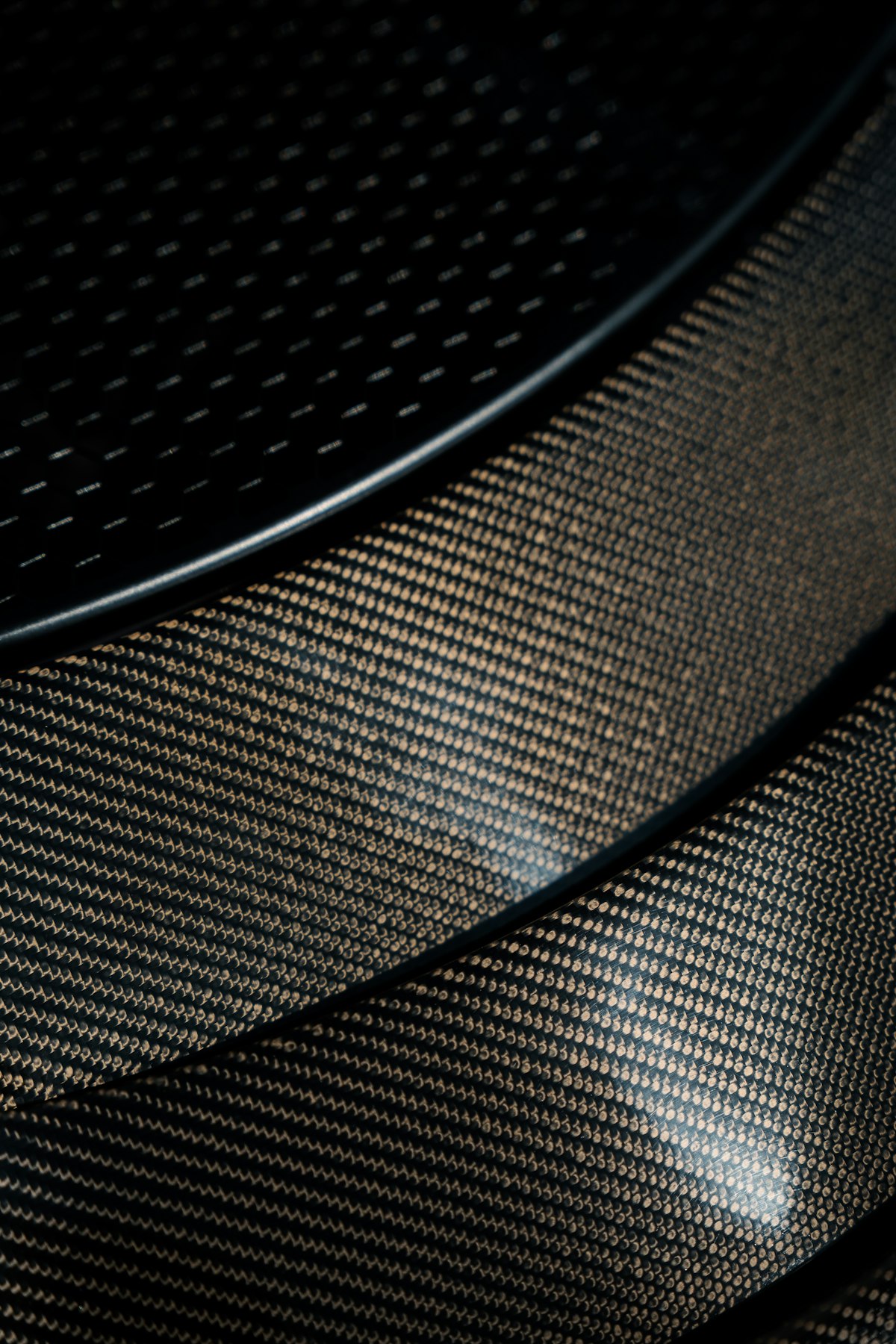
Carbon fiber composites are where the X1C’s hardened steel nozzle earns its place. Abrasive CF particles destroy brass nozzles in hours. The X1C ships with hardened steel — no upgrade needed.
#1 Bambu Lab PA6-CF — Best CF Overall
Bambu Lab PA6-CF is RFID-configured for the X1C, feeds through the AMS reliably, and delivers genuine engineering strength — printed parts approach injection-molded nylon. Critical: PA absorbs moisture in 2–4 hours. Dry at 80°C for 6–8 hours before every session, no exceptions. Wet PA-CF produces brittle layers regardless of settings. Price: $45–55/kg.
#2 eSUN PA-CF — Best Third-Party CF
eSUN PA-CF delivers comparable strength at $38–45/kg — roughly 20% less than Bambu’s version. Use the external spool path (not AMS). For parts that don’t need full PA-CF strength, Bambu PLA-CF is easier to print and requires no drying. For proper filament storage and drying, see our How to Store Filament guide.
Print Settings Quick Reference — Bambu X1 Carbon
| Material | Nozzle | Bed | Speed | Enclosure | Profile |
|---|---|---|---|---|---|
| Bambu PLA Basic | 220°C | 55°C | Up to 500mm/s | Open OK | Auto (RFID) |
| Panchroma Basic PLA | 210–220°C | 55°C | 200–350mm/s | Open OK | Generic PLA + calibration |
| eSUN PLA+ | 215–225°C | 55–60°C | 150–250mm/s | Open OK | eSUN PLA+ preset |
| Polymaker PETG | 235–250°C | 70–80°C | Up to 300mm/s | Open OK | Polymaker / Generic PETG |
| Overture PETG | 240°C | 80°C | 80–150mm/s | Open OK | Generic PETG |
| Bambu ABS | 240–260°C | 90–100°C | 80–150mm/s | Required ✅ | Auto (RFID) |
| eSUN ABS+ | 240–250°C | 90–100°C | 60–120mm/s | Required ✅ | Generic ABS |
| Polymaker ASA | 245–255°C | 90–100°C | 60–120mm/s | Required ✅ | Generic ASA |
| Bambu PA6-CF | 260–280°C | 45–65°C | 40–80mm/s | Required ✅ | Auto (RFID) |
| eSUN PA-CF | 260–275°C | 45–60°C | 40–80mm/s | Required ✅ | Generic PA-CF |
What NOT to Use in the X1C AMS
- Generic TPU, including standard TPU 95A: Use the external spool path unless Bambu explicitly lists the exact filament as compatible with your AMS model; hardness alone is not a compatibility guarantee.
- Abrasive or CF-filled filament not explicitly approved for your AMS: Use the external spool path or follow current Bambu compatibility guidance; material and spool geometry both matter.
- Wet PA or PA-CF: Absorbs moisture in hours. Always dry before printing
Where to Buy
- 👉 Check Price on Amazon — Bambu Lab PLA Basic
- 👉 Get 15% Off at Polymaker → Check on Amazon
Use code BALUTAVLAD for 15% off your first Polymaker order. - 👉 Check Price on Amazon — eSUN PLA+
- 👉 Get Polymaker PETG — 15% off your first order
Use code BALUTAVLAD. - 👉 Check Price on Amazon — Overture PETG
- 👉 Check Price on Amazon — eSUN ABS+
- 👉 Get 15% Off at Polymaker → Check on Amazon
Use code BALUTAVLAD for 15% off your first Polymaker order. - 👉 Check Price on Amazon — eSUN PA-CF
Frequently Asked Questions
Can the best filament for Bambu X1 Carbon include carbon fiber without a nozzle upgrade?
Yes. The X1C ships with a hardened steel nozzle as standard equipment — no upgrade needed before running PA-CF, PLA-CF, or any abrasive composite. Most FDM printers use brass nozzles that carbon fiber destroys in hours; the X1C does not have this limitation.
Does the Bambu X1 Carbon need a separate enclosure for ABS and ASA?
No separate print enclosure is normally required because the X1C already has an enclosed build volume. That enclosure manages print temperature, not room air quality: use suitable ventilation or source extraction for ABS and ASA, and follow the material safety data sheet.
Is third-party filament worth buying for the X1 Carbon?
Third-party filament can be a good option when its data sheet, spool geometry, and profile suit the printer. Compare current prices directly and calibrate the specific product; RFID adds profile convenience but does not by itself guarantee print quality or remove all calibration.
What is the best filament for multicolor printing on the X1 Carbon?
Bambu Lab PLA Basic across all 4 AMS slots. RFID auto-detection handles each color slot’s settings automatically. Budget alternative: Panchroma Basic PLA in multiple colors with the saved calibrated profile.
How should I dry filament for the X1 Carbon?
PLA: 55°C / 4–6 hours. PETG: 65°C / 4–6 hours. ABS/ASA: 70°C / 4–6 hours. PA and PA-CF: 80°C / 6–8 hours — non-negotiable, wet PA-CF prints brittle. A dedicated dryer is the best investment for consistent X1C results. Full details in our How to Store Filament guide.
Final Verdict
The best filament for Bambu X1 Carbon depends on the job. Bambu Lab PLA Basic for multicolor and speed-critical work. Overture PETG for functional parts. Polymaker ASA for outdoor applications. Bambu PA6-CF or eSUN PA-CF for genuine engineering strength — always with a dry spool and always through the external path for third-party CF.
The X1C is uniquely capable for engineering-grade materials on a desktop machine. Match the filament to the job, keep your dryer running, and this printer handles nearly everything you throw at it. Knowing the best filament for Bambu X1 Carbon for your use case makes all the difference in print quality and machine longevity.
FilamentPicks is reader-supported. When you buy through links on our site, we may earn a small commission at no cost to you. We only recommend products we have researched or thoroughly researched.