

As an Amazon Associate, FilamentPicks earns from qualifying purchases. This doesn’t affect our findings — see our research method.
Bambu PETG Basic vs PETG HF stopped being a preference question the day Bambu discontinued PETG HF — but with clearance HF spools still circulating and thousands of printers running old HF profiles, it’s worth knowing exactly what changed. The short answer: PETG Basic (2026) is measurably stronger across every structural metric at the same price, while HF keeps two things Basic doesn’t match — its high-flow speed ceiling and its matte finish.
This is a research-based comparison built from Bambu’s published technical data sheets and community reports — not hands-on lab testing. The mechanical figures below follow Toolguyd’s comparison of Bambu’s spec sheets.
Choose Bambu PETG Basic for current profiles and maximum convenience. Choose Polymaker PETG when color selection and multi-printer flexibility matter more.
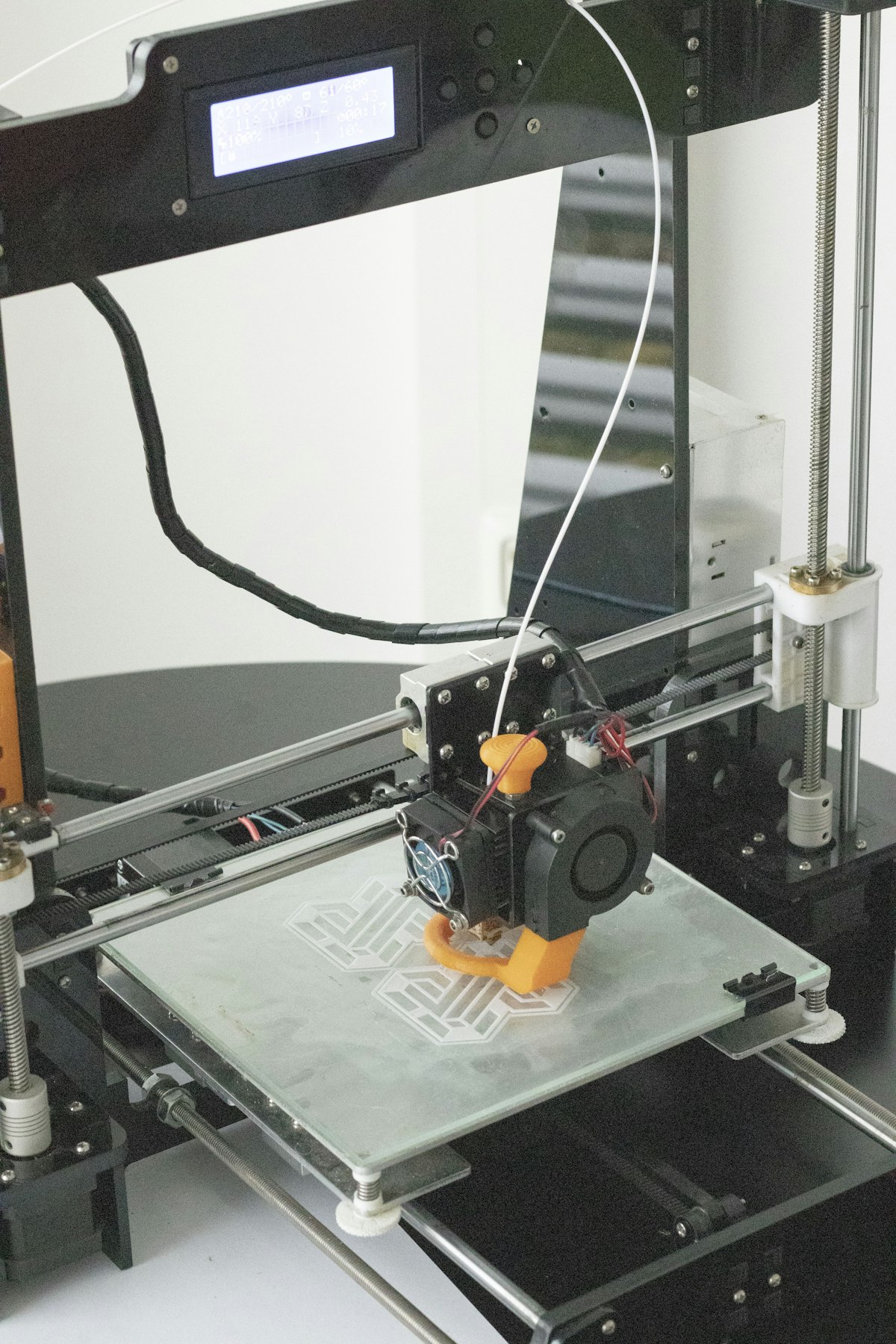
Bambu PETG Basic vs PETG HF at a Glance
| Spec | PETG Basic (2026) | PETG HF |
|---|---|---|
| Status | Current lineup | Discontinued, clearance only |
| Bending strength | 75 MPa | 64 MPa |
| Layer strength | 56 MPa | 48 MPa |
| Toughness | 34.2 kJ/m² | 31.5 kJ/m² |
| Speed focus | Standard, re-tune above ~350 mm/s | High-flow, built for CoreXY speed modes |
| Finish | Standard PETG gloss | Matte, hides gloss-shift at speed |
| Drying | 65°C / 8h | 65°C / 8h |
| Refill price | ~$20 | ~$20 (watch clearance) |
Strength: Basic Wins Every Structural Metric
Per the published data sheets, PETG Basic posts 75 MPa bending strength against HF’s 64 MPa — roughly a 17% improvement — with layer adhesion up by a similar margin (56 vs 48 MPa) and toughness ahead by about 9% (34.2 vs 31.5 kJ/m²). Layer strength is the number that matters most for printed parts, because parts fail along layer lines first. For brackets, mounts and anything load-bearing, the Bambu PETG Basic vs PETG HF question has a one-word answer: Basic.
Speed and Flow: The One Thing HF Still Does Better
HF existed because standard PETG is flow-limited on fast CoreXY printers — Bambu’s high-flow formulation ran at roughly twice the default speed of regular PETG without the surface falling apart. PETG Basic narrows that gap but doesn’t erase it: community reports put Basic’s comfortable ceiling around 350 mm/s before it needs a re-tuning pass, while dialed-in HF profiles pushed further. If your workload is genuinely flow-limited — production batches at maximum speed — that’s the single scenario where remaining HF stock has a real argument.
Finish: Matte vs Gloss
HF’s matte surface wasn’t cosmetic vanity — it suppressed the uneven gloss-shift artifacts that fast PETG printing produces. PETG Basic returns to a standard PETG gloss, which looks great at moderate speeds and less uniform when you push the pace. If you loved HF’s calm matte grays, the closest current matches are third-party, covered path by path in our PETG HF replacement guide.
What Didn’t Change: Moisture
Both filaments call for the same housekeeping: 65°C for 8 hours before printing and sealed storage under 20% relative humidity. Damp PETG strings, bubbles and bonds poorly no matter which formulation is on the spool — the full routine is in our PETG drying guide, and general spool care in how to store filament.
Is Clearance PETG HF Worth Buying in 2026
Only at a real discount. At equal price, PETG Basic is the stronger filament with a current profile and ongoing availability — there’s no reason to pay full price for a discontinued spool. Community consensus puts the sensible clearance threshold at roughly $12–14 per spool: below that, HF is a fine buy for speed-focused or cosmetic work; above it, buy Basic.
And if you’re still running old HF slicer profiles on new Basic spools, start from the Bambu PETG Basic preset instead — the flow characteristics differ enough to show up in seams and corners. Wider settings context lives in our PETG print settings guide.
Where to Buy
| Pick | Best for | Where |
|---|---|---|
| Bambu PETG Basic (2026) | Default choice, AMS + RFID | Check on Amazon → |
| Polymaker PETG (15% off, code BALUTAVLAD) | Color variety, multi-printer homes | Get Polymaker PETG → |
| Bambu PETG HF (clearance) | Speed workloads, only under ~$14 | Check on Amazon → |
What the Numbers Mean for Real Parts
Spec-sheet deltas only matter if they change what you can print, so here is the practical translation of the Bambu PETG Basic vs PETG HF gap. A 17% jump in layer strength moves the failure point of a printed bracket or hook noticeably — layer lines are where printed parts crack first, and 56 vs 48 MPa is the difference between a shelf bracket that shrugs off a knock and one that splits along a seam.
The toughness gain shows up as impact behavior: Basic parts dent and flex where HF parts were slightly more likely to snap. None of this makes HF fragile — it was a perfectly serviceable functional filament — but it does mean Basic is the first Bambu PETG you can reach for on load-bearing prints without a second thought. Add RFID auto-profiles and AMS drying support on current spools, and the everyday experience tilts the same direction as the numbers.
Frequently Asked Questions
Is Bambu PETG Basic stronger than PETG HF
Yes — on Bambu’s own data sheets, Basic leads in bending strength (75 vs 64 MPa), layer strength (56 vs 48 MPa) and toughness (34.2 vs 31.5 kJ/m²).
Can I use my PETG HF profile with PETG Basic
Start from the PETG Basic preset instead. The flow behavior differs, and HF profiles tend to over-drive Basic at speed, showing up as seam and corner artifacts.
Why did Bambu discontinue PETG HF
Bambu consolidated its PETG line around the reformulated Basic, which matches HF’s price while beating it on strength. The full timeline and community reaction are in our PETG HF discontinued explainer.
Which should beginners buy in the Bambu PETG Basic vs PETG HF debate
PETG Basic, without hesitation — current profiles, RFID support, ongoing stock, better mechanical numbers. For the broader field beyond Bambu, see our best PETG for Bambu Lab guide.
The Verdict
Bambu PETG Basic vs PETG HF comes down to this: Basic is the better filament for almost everyone — stronger in every published structural metric at the same $20 refill price. HF earns a place only as discounted clearance stock for flow-limited speed printing or matte cosmetic work. Buy Basic, keep it dry, and reserve HF hunting for genuine bargains.