

Research-based comparison built from manufacturer spec sheets, Bambu Lab’s material documentation, and widely reported community results — not a single hands-on lab test.
FilamentPicks is reader-supported. Some links on this page are affiliate links — as an Amazon Associate we earn from qualifying purchases, at no extra cost to you.
PETG vs ABS is the classic “my part needs to be tougher than PLA” decision — and on a Bambu Lab printer the answer depends less on the plastic and more on which machine you own. This guide breaks down strength, heat resistance, printability, safety and cost, so you can pick in two minutes.
PETG vs ABS: Quick Verdict
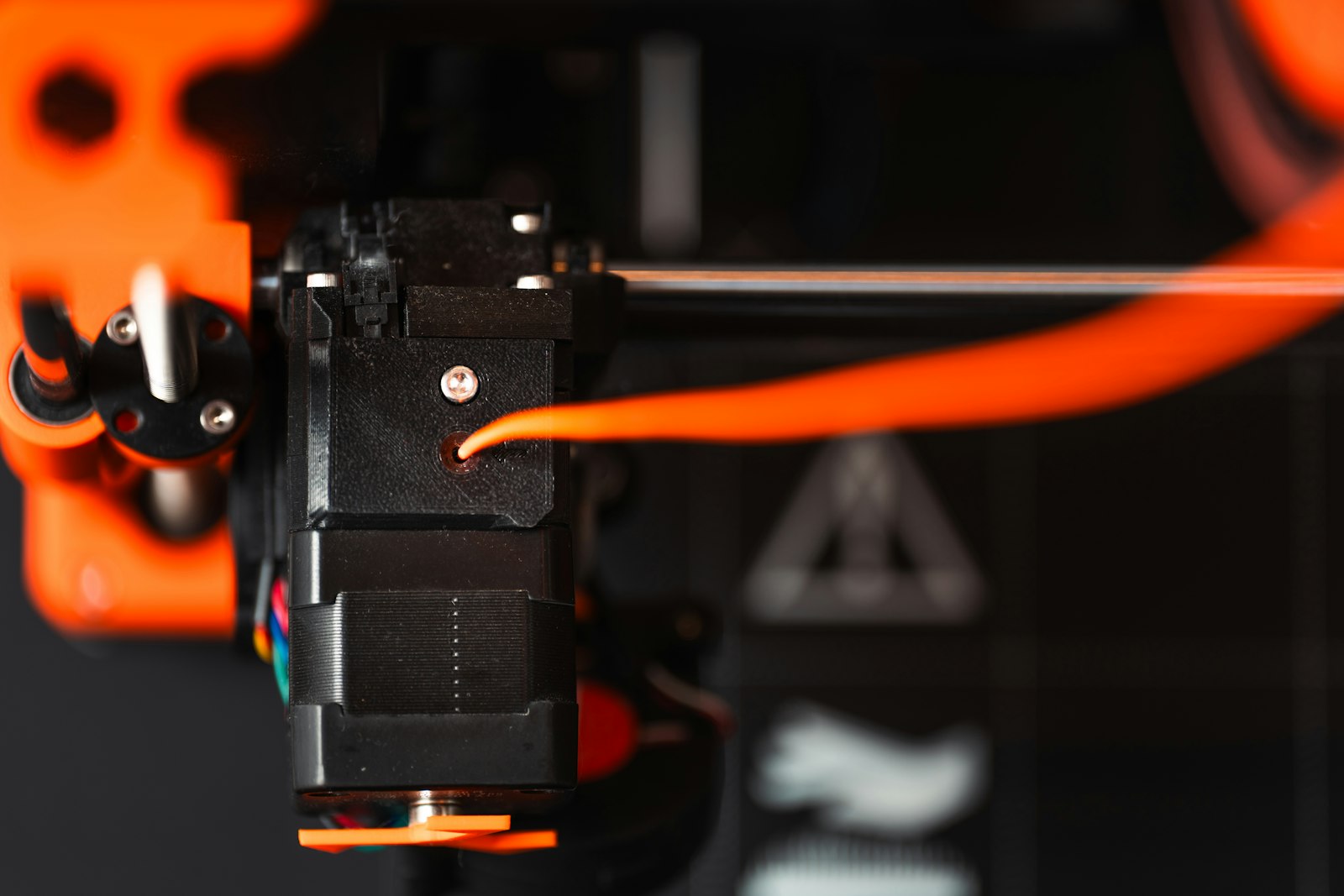
The short version of PETG vs ABS: choose PETG for water-resistant, tough parts on any Bambu printer — including open-frame A1 models. Choose ABS when you need higher heat resistance, better post-processing (sanding, acetone smoothing) and you own an enclosed printer (P1S, P2S, X1C, X2D, H2S, H2D).
| Property | PETG | ABS |
|---|---|---|
| Heat resistance | ~70–80 °C | ~95–100 °C |
| Impact toughness | High (slightly ductile) | High (stiffer) |
| Warping | Low | High — enclosure required |
| Fumes / odor | Minimal | Styrene fumes — ventilate |
| UV / water resistance | Excellent water, decent UV | Moderate (ASA is better outdoors) |
| Post-processing | Hard to sand cleanly | Sands well, acetone-smooths |
| Open-frame A1 / A1 Mini | Yes | Not recommended |
Strength and Toughness
In the PETG vs ABS strength debate, spec sheets put them closer than forum lore suggests. PETG tends to win on impact resistance and layer adhesion — parts bend and survive. ABS is stiffer and more dimensionally stable at temperature, which is why it remains the default for enclosures, brackets near electronics, and automotive interior parts. Community consensus: for parts that get dropped, PETG; for parts that get hot, ABS.
Heat Resistance
This is the clearest split in PETG vs ABS. PETG softens around 70–80 °C — fine for most household parts, marginal in a parked car in summer. ABS holds shape to roughly 95–100 °C. If your part lives near a motor, a hotend, or a dashboard, ABS (or its outdoor cousin — see our ABS vs ASA comparison) is the safer call.
Printability on Bambu Lab Printers
PETG is dramatically easier. It prints warp-free on open-frame and enclosed machines alike — our PETG print settings guide covers the details. Its main vices are stringing (see PETG stringing fixes) and moisture sensitivity (how to dry PETG).
ABS demands an enclosed chamber and patience. On a P1S/X1C/X2D it prints reliably with the door closed and the stock profile; on an A1 it warps off the plate. Our guide on printing ABS without warping walks through the full setup. Factor in ventilation too — ABS releases styrene fumes, so a well-ventilated room or exhaust setup is strongly recommended per Bambu Lab’s ABS documentation.
Cost and Availability
Pricing in the PETG vs ABS matchup is nearly a wash: quality 1 kg spools of either typically run $17–$25, with PETG marginally cheaper and more widely stocked. Neither will strain a budget build — see our budget filament guide for specific value picks.
PETG vs ABS: Which Should You Choose?
- Choose PETG if: you own an A1/A1 Mini, print functional parts that see water or impacts, or want the least fuss.
- Choose ABS if: you own an enclosed Bambu, need heat resistance above 80 °C, or plan to sand and acetone-smooth the surface.
- Choose neither if: the part lives outdoors in the sun — ASA beats both, as covered in our best ASA filament guide.
Where to Buy
- Bambu PETG on Amazon — see our best PETG filament roundup
- Bambu ABS on Amazon — full picks in best ABS filament for Bambu Lab
- Overture PETG on Amazon
FAQ
Is PETG stronger than ABS?
In impact toughness and layer adhesion, PETG generally wins in the PETG vs ABS comparison; ABS wins on stiffness and heat. “Stronger” depends on which failure mode your part actually faces.
Can I print ABS on a Bambu A1?
It is not recommended — the open frame lets the part cool unevenly and warp, and fumes disperse into the room. PETG is the practical A1 choice in the PETG vs ABS decision.
Does PETG or ABS handle outdoor use better?
PETG resists water better; ABS yellows and gets brittle under UV. For genuinely outdoor parts, ASA outperforms both.
Related Guides
- PLA vs PETG vs PETG-HF
- ABS vs ASA for Bambu Lab
- How to Print ABS Without Warping
- Bambu Filament Tier List
FilamentPicks is reader-supported. When you buy through links on our site, we may earn an affiliate commission at no extra cost to you.