

As an Amazon Associate, FilamentPicks earns from qualifying purchases. This doesn’t affect our findings — see our research method.
Bambu H2D filament compatibility is the widest of any Bambu printer to date — a 350°C hotend, a heated chamber and dual nozzles mean the honest question isn’t “can it print this,” but “what conditions does this material demand.” PLA needs nothing. PPA-CF needs a 0.6 mm hardened nozzle, aggressive drying, and the chamber doing real work. This guide maps the whole range, based on Bambu Lab’s official documentation and community reports.
This is a research-based guide — the rules below come from manufacturer specs and documented user reports, not hands-on lab testing.
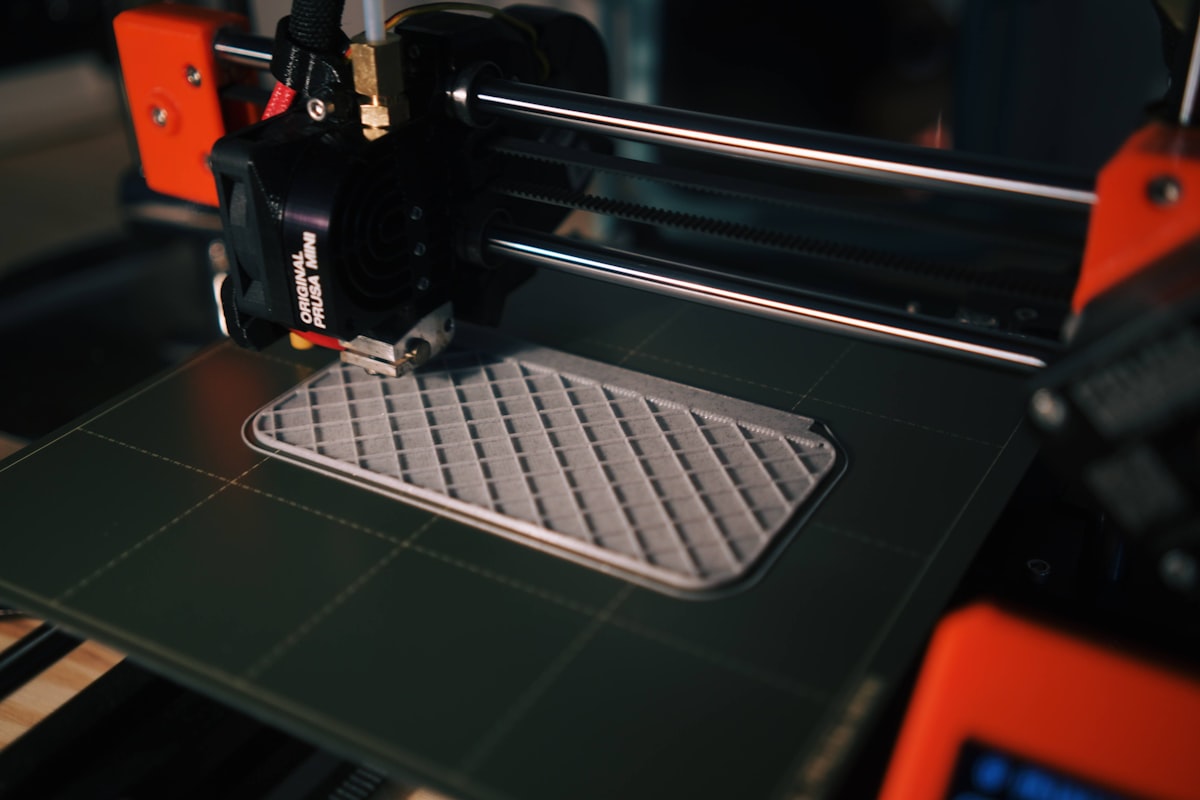
Bambu H2D Filament Compatibility at a Glance
The short version of Bambu H2D filament compatibility before the material-by-material detail:
| Material | Nozzle | Feed / AMS | Drying | Heated chamber |
|---|---|---|---|---|
| PLA / PLA Basic | 0.4 mm, any | AMS 2 Pro OK | Optional | Not needed |
| PETG / PETG-HF | 0.4 mm, any | AMS 2 Pro OK | Helpful | Helps |
| ABS / ASA | 0.4 mm, any | AMS 2 Pro OK | Recommended | Yes |
| TPU 95A HF | 0.4 mm | External spool preferred | Recommended | No |
| PLA-CF / PETG-CF | 0.4 mm hardened | AMS 2 Pro OK | Recommended | Helps |
| PAHT-CF (CF nylon) | 0.6 mm hardened | External / AMS HT | 80°C / 8h, mandatory | Yes |
| PET-CF / PPA-CF | 0.6 mm hardened | External / AMS HT | Mandatory, hot | Yes |
The Hardware That Sets the Rules
Four things define Bambu H2D filament compatibility. First, the 350°C hotend clears the ceiling that stops other printers at PC — PET-CF and PPA-CF become realistic. Second, the heated, air-managed chamber keeps warp-prone engineering materials flat. Third, the dual-nozzle workflow lets you pair a hard structural material with a soft or soluble support material in one job. Fourth, AMS 2 Pro and AMS HT add drying — and for hygroscopic filaments, drying is the difference between spec-sheet strength and brittle parts.
Everyday Materials: PLA, PETG, ABS and ASA
Nothing exotic here — the H2D treats the everyday materials the way a P1S or X1C does, just with more thermal headroom. PLA prefers the chamber unheated so the filament path stays cool. ABS and ASA are where the heated chamber quietly upgrades results: larger parts stay flat with less brim fuss than a passive enclosure allows. Specific spool recommendations by use case live in our best filament for Bambu H2D guide.
TPU on the H2D: Keep It Simple
TPU 95A HF prints cleanly, but soft filament and long multi-bend feed paths still don’t mix — run flexibles from the external spool and keep speeds conservative. Full flexible-filament setup is in our TPU printing guide.
Where the H2D Earns Its Price: CF Nylon, PET-CF and PPA-CF
This tier is the real Bambu H2D filament compatibility story. PAHT-CF, PET-CF and PPA-CF all demand three things at once: a 0.6 mm hardened nozzle (carbon fiber destroys brass and clogs 0.4 mm bores), genuinely dry filament — think 80°C for 8 hours, ideally living in an AMS HT — and a heated chamber to keep internal stress from curling the part off the plate.
Skip any one of the three and the failure mode is predictable: clogs, fuzzy brittle walls, or corner lift. Get all three right and the H2D prints materials that were workshop-only a few years ago. Brand picks are in our best carbon fiber filament guide and best nylon filament guide.
Dual Nozzles: Supports Without Compromise
Because the H2D runs two nozzles, you can dedicate one to support material — and that changes which filaments make sense to buy. Soluble or breakaway supports pair with CF nylon overhangs that a single-nozzle printer would butcher. Keep the abrasive material on the hardened nozzle and the support material on the other, and nozzle wear stays predictable.
Third-Party Filament and the AMS
Third-party spools run fine across the compatibility table — you lose RFID auto-profiles, nothing more (full trade-offs here). Inside the AMS 2 Pro, the standard rules apply: no TPU, dried engineering filaments only, details in our AMS 2 Pro compatibility guide. If you’re comparing flagship ecosystems before buying, the X2D filament compatibility guide is the natural side-by-side read.
Quick Picks: Spools That Just Work on the H2D
| Use case | Pick | Where |
|---|---|---|
| Everyday PLA | Bambu PLA Basic | Check on Amazon → |
| Functional PETG | Polymaker PETG (15% off, code BALUTAVLAD) | Get Polymaker PETG → |
| CF nylon | Bambu PAHT-CF | Check on Amazon → |
| Flexible | Bambu TPU 95A HF (external spool) | Check on Amazon → |
Build Plate and Nozzle Strategy
The engineering tier makes hardware pairing part of Bambu H2D filament compatibility rather than an afterthought. Textured PEI handles the everyday materials and most CF blends without adhesive help; the smooth plate suits glossy PLA display work (plate comparison here).
On nozzles, run stainless for unfilled materials and reserve a dedicated hardened 0.6 mm nozzle for the CF tier — swapping back and forth mid-week is how partial clogs happen. The wear math is in our hardened vs stainless nozzle guide. One more habit worth building: log which nozzle each abrasive spool has run through, because wear is cumulative and invisible until surface quality drops.
Frequently Asked Questions
What filaments can the Bambu H2D print
Everything from PLA to PPA-CF: PLA, PETG, ABS, ASA, TPU 95A HF, PLA-CF, PETG-CF, PAHT-CF, PET-CF and PPA-CF — provided each material’s nozzle, drying and chamber conditions are met. That range is the core of Bambu H2D filament compatibility.
What size filament does the Bambu H2D use
Standard 1.75 mm filament, like all Bambu Lab printers.
Does the H2D need a hardened nozzle
Only for filled materials: any -CF or -GF filament requires a hardened nozzle, and the high-temp trio (PAHT-CF, PET-CF, PPA-CF) wants the 0.6 mm bore specifically.
Can the Bambu H2D print nylon
Yes — it’s one of the best consumer printers for it, thanks to the heated chamber and AMS HT drying. Dry storage is non-negotiable.
How does H2D filament compatibility compare to the X2D
Both are dual-nozzle flagships, but the H2D’s hotter hotend and chamber push further into the high-temp engineering tier, while the X2D’s compatibility rules center on its filament track switch. If your materials list ends at ASA and CF-PLA, either printer covers it.
The Verdict
Bambu H2D filament compatibility isn’t a list of what works — nearly everything works. It’s a checklist of conditions: hardened 0.6 mm nozzle for the CF engineering tier, mandatory drying for anything hygroscopic, external spool for TPU, heated chamber for warp-prone materials. Run any unfamiliar spool through our free Bambu Filament Compatibility Checker before it enters the rotation.