

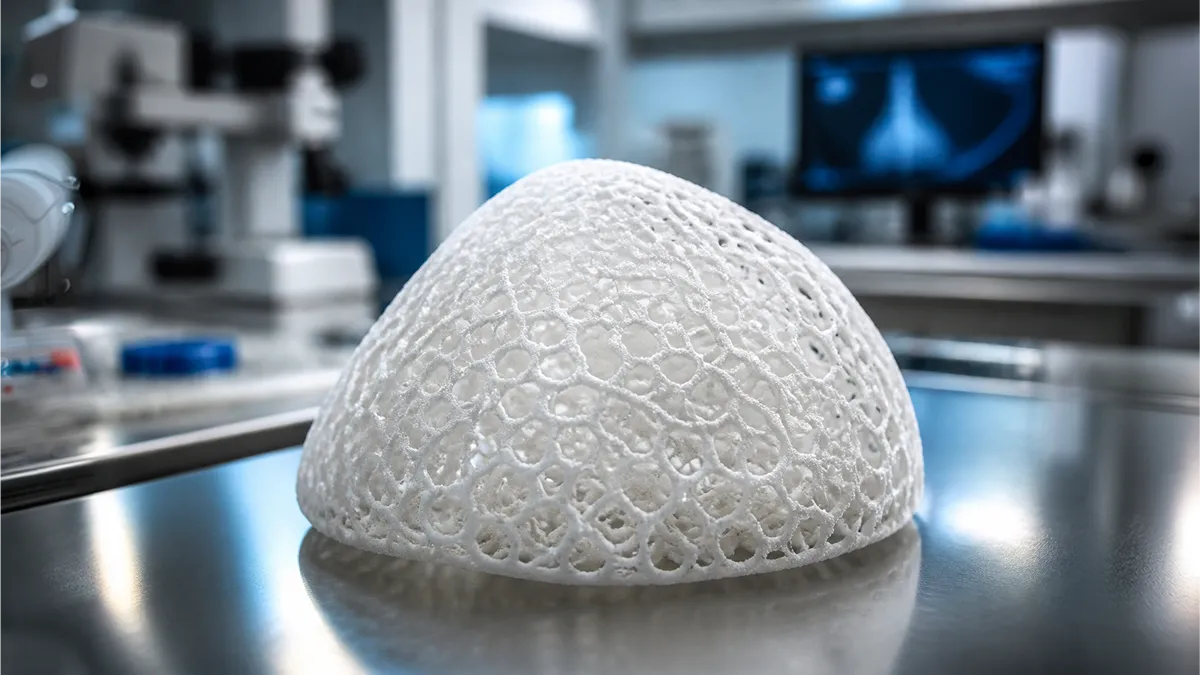
Australian medtech company BellaSeno has reached a significant clinical milestone: 30 women have undergone breast reconstruction using the company’s 3D-printed resorbable scaffolds, marking a concrete step forward for an approach that could fundamentally change how post-mastectomy reconstruction is handled. The scaffolds are manufactured from polycaprolactone, a biodegradable polymer, and are designed to gradually reabsorb into the body after serving their structural purpose.
What This Means for Bambu Lab Users
BellaSeno’s work sits at the intersection of medical-grade additive manufacturing and bioengineering — a world away from desktop FDM printing, but the underlying logic of precision scaffold geometry is the same technology stack that Bambu Lab users interact with daily. The company’s ability to 3D print polycaprolactone into highly specific porous structures is a direct application of material extrusion principles, just executed at a biomedical tolerance level. For the broader 3D printing community, this milestone is a reminder of where the technology’s upper ceiling actually sits.
It also underscores why material science matters as much as hardware. Polycaprolactone is already a niche experimental filament in the desktop space — its biocompatibility and slow degradation profile are what make it viable for implantable applications. BellaSeno’s clinical results give that material a very different kind of credibility.
Technical Details: How the Scaffold Works
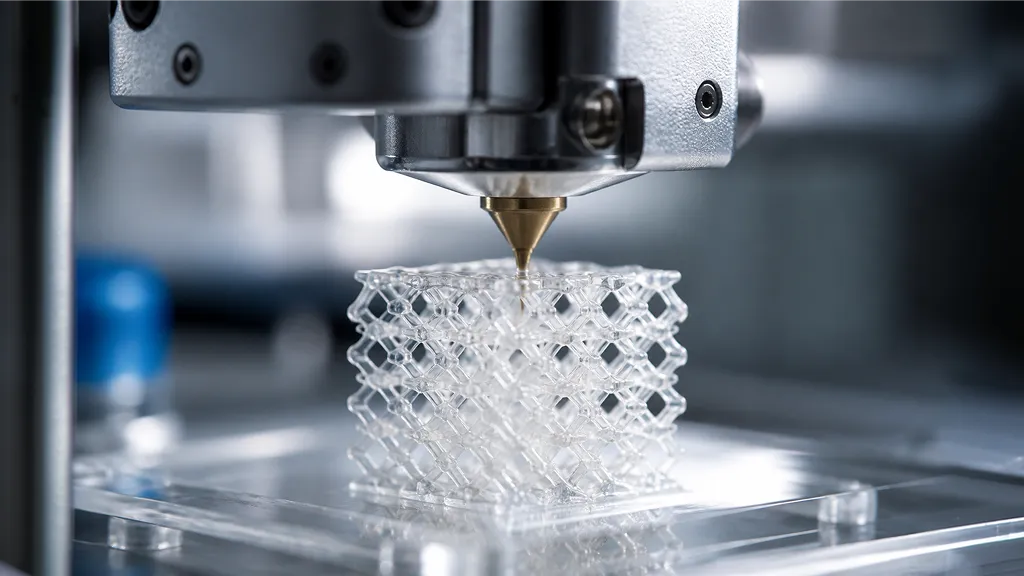
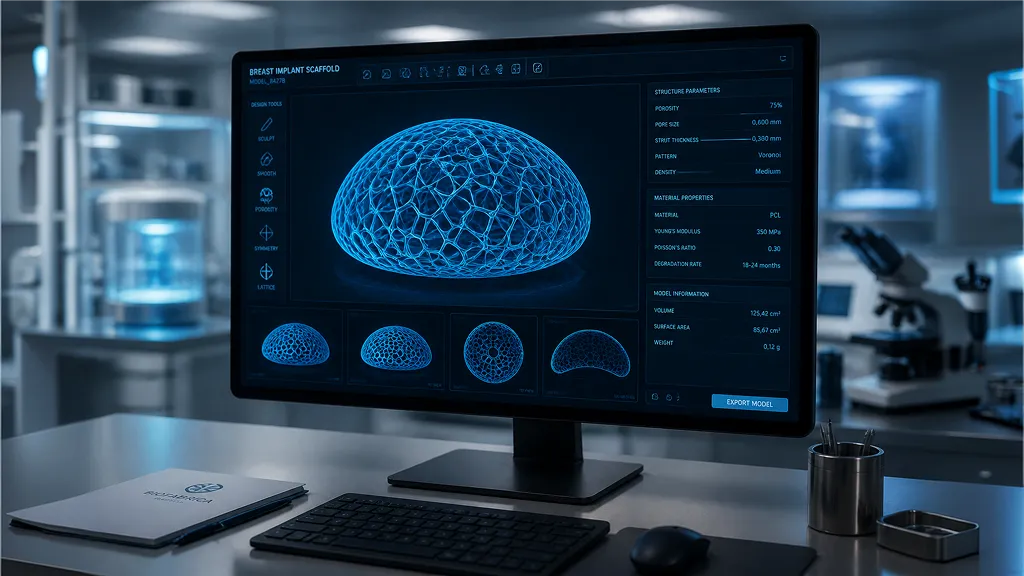
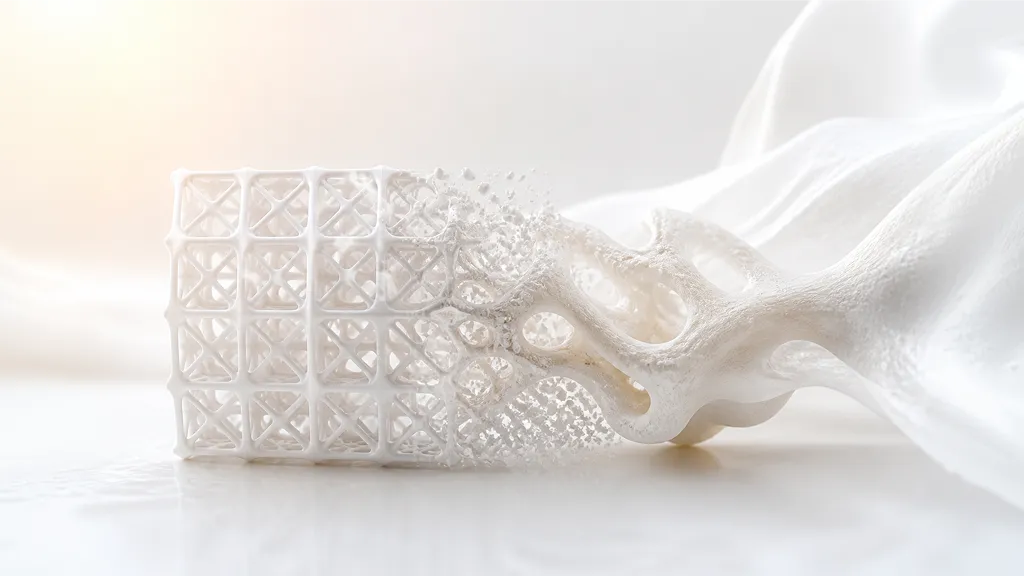
According to reporting on the clinical program, BellaSeno’s scaffolds are printed with a defined internal architecture — the pore structure is not incidental but engineered to encourage native tissue ingrowth. As the patient’s own fat and connective tissue populate the scaffold over time, the polycaprolactone matrix slowly breaks down and is metabolized by the body. The end goal is reconstruction that consists entirely of the patient’s own tissue, with no permanent foreign implant remaining.
This is a meaningful departure from traditional silicone implants, which remain in the body indefinitely and carry well-documented long-term complication risks including capsular contracture and implant rupture. The resorbable approach, as reported, attempts to sidestep those failure modes entirely by removing the implant material from the equation over a defined timeframe.
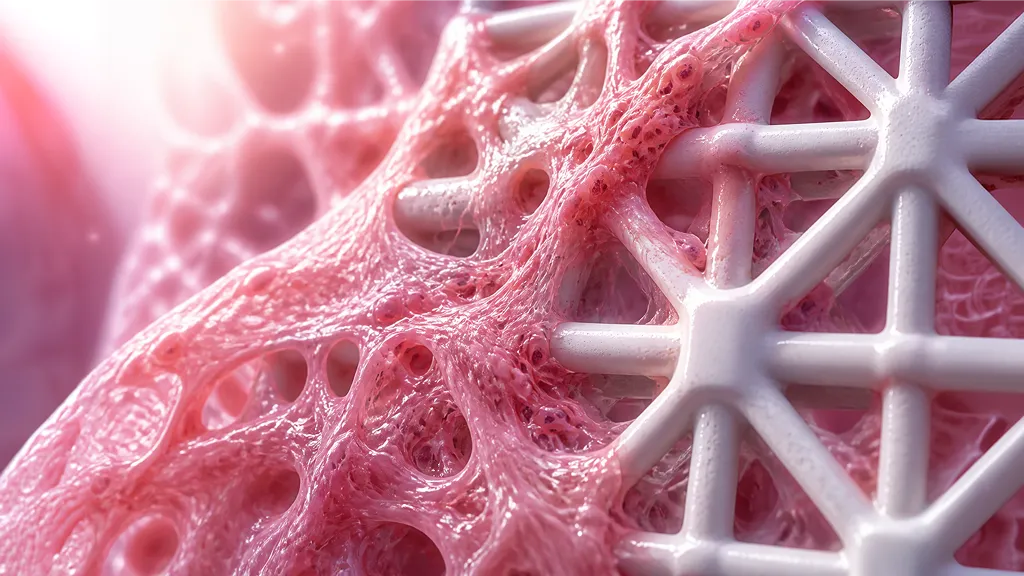
The 3D printing process allows each scaffold to be customized in size and geometry before surgery — a patient-specific approach that would be impractical with conventional manufacturing. BellaSeno has reportedly been refining this manufacturing pipeline for several years, with the clinical trial now demonstrating real-world feasibility across 30 cases.
Availability & Pricing
BellaSeno’s scaffolds are currently in clinical trial phase and are not commercially available as a standard-of-care product. The 30-patient figure reflects enrollment in an ongoing study rather than a commercial rollout. No pricing has been publicly disclosed, which is typical for devices still moving through regulatory pathways. The company is based in Australia and has been pursuing regulatory clearance in multiple markets, though specific timelines have not been confirmed publicly.
What’s Next
The 30-patient milestone is clinically modest by the standards of large-scale trials, but it represents proof that the manufacturing process is reproducible and that the implantation procedure is viable in a real surgical setting. Longer-term follow-up data — tracking how completely the scaffold resorbs and how well the replacement tissue holds its shape over years — will be the real test. That data is not yet available publicly, and it will likely determine whether BellaSeno can attract the regulatory approvals and surgical adoption needed to move beyond trial status. Readers interested in medical 3D printing developments should watch for follow-up publications from the clinical team, which will carry far more weight than the enrollment numbers alone.
Source: 3dprint.com