

👉 Related on FilamentPicks: Bambu Filament vs Third-Party: Is the Price Premium Worth It? (2026) — ranked picks from community data.
MIT’s Soft Hydrogels Unlock Remote Control at the Microscale
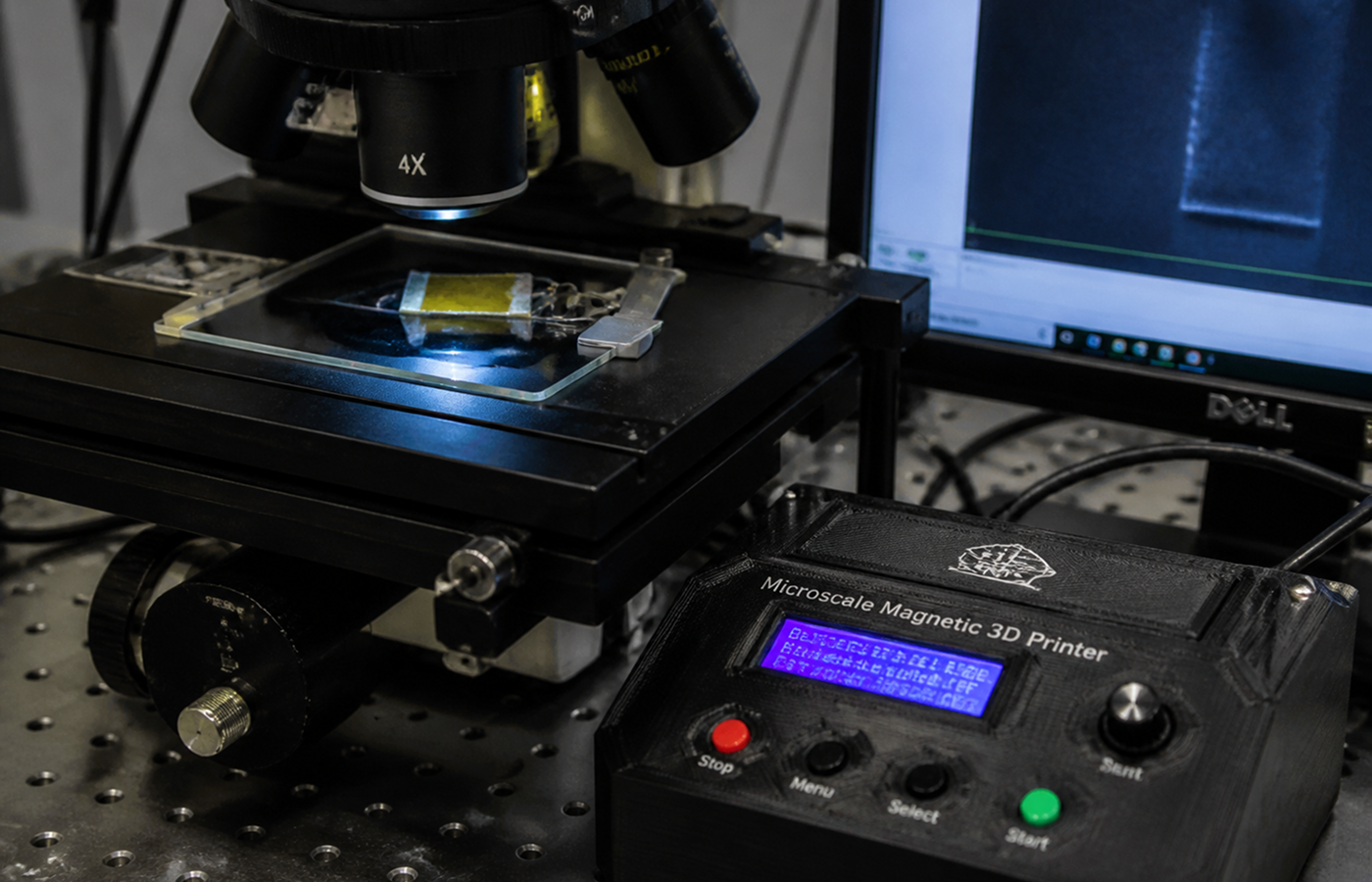
Researchers at the Massachusetts Institute of Technology (MIT) have developed a groundbreaking fabrication method for soft magnetic hydrogels. This innovation allows structures smaller than 1mm to be 3D printed with independent magnetic movement built directly into the material. The most fascinating part? These tiny printed components can be activated remotely using an ordinary, everyday magnet.
Published in the journal Matter, the study showcases a massive leap forward in additive manufacturing. Previously, embedding precise, microscale movement required highly complex engineering and expensive custom hardware. By using smart hydrogels, MIT has simplified the process, paving the way for advanced responsive designs and miniature robotics that react purely to external magnetic forces without needing embedded wires or internal power sources.
Why This Matters to the 3D Printing Community
For the consumer and maker community on platforms like Reddit, “functional 3D printing” is the fastest-growing niche. While desktop users typically print static models or basic mechanical joints using standard PLA, PETG, or TPU filaments, the industry is shifting heavily toward smart materials. MIT’s research demonstrates a future where multi-material printing goes microscopic.
Advanced makers using Bambu Lab or Prusa setups are already familiar with pausing prints mid-way to embed physical neodymium magnets inside plastic parts for closures, latches, or sensory triggers. MIT’s breakthrough elevates this concept to a chemical level. It sparks immense inspiration for DIY engineering, showing how external forces can manipulate printed parts. As multi-material and bio-printing technologies continue to trickle down from labs to affordable desktop printers, tools like these will redefine what a home-cooked 3D print can actually achieve.