

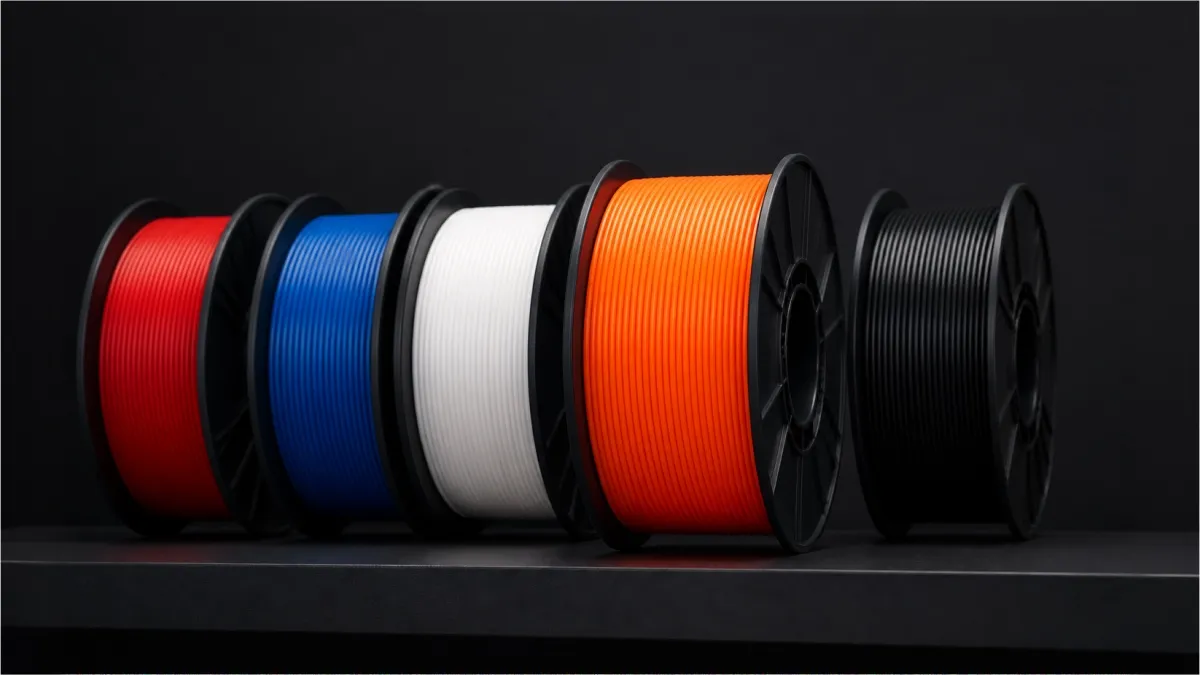
Spectrum Filaments, the Poland-based filament manufacturer known for its tight tolerances and consistent print quality, has landed a significant new investor. Blue Gravity Capital has acquired a majority stake in the company in a deal reported to be worth “several tens of millions of Polish zloty” — likely somewhere in the $5 million to $10 million range.
A Decade of Steady Growth
Founded in 2015, Spectrum has built its reputation the slow way: through consistent round filament, reliable diameter tolerances, and a catalog that spans everything from basic PLA to engineering materials like PA (nylon), PETG, ASA, and specialty composites. Between 2018 and 2025, the company reportedly grew production volume at an average annual rate of roughly 50 percent — a pace that put real strain on its manufacturing capacity even as demand from makers, small businesses, OEM partners, and industrial users continued to climb.
What Blue Gravity Capital Brings to the Table
Under the new ownership structure, Spectrum’s existing management team is staying in place — a detail that matters for a brand whose identity is closely tied to its founders’ material science background. The investment is earmarked for several priorities:
- Production capacity expansion, with the explicit goal of roughly doubling output capability.
- Automation upgrades across existing extrusion and spooling lines to improve consistency at higher volumes.
- New material development, likely extending Spectrum’s existing engineering and specialty filament lines.
- International growth, including expanded distribution in markets outside of Europe.
Why Filament Consistency Is a Bigger Deal Than It Sounds
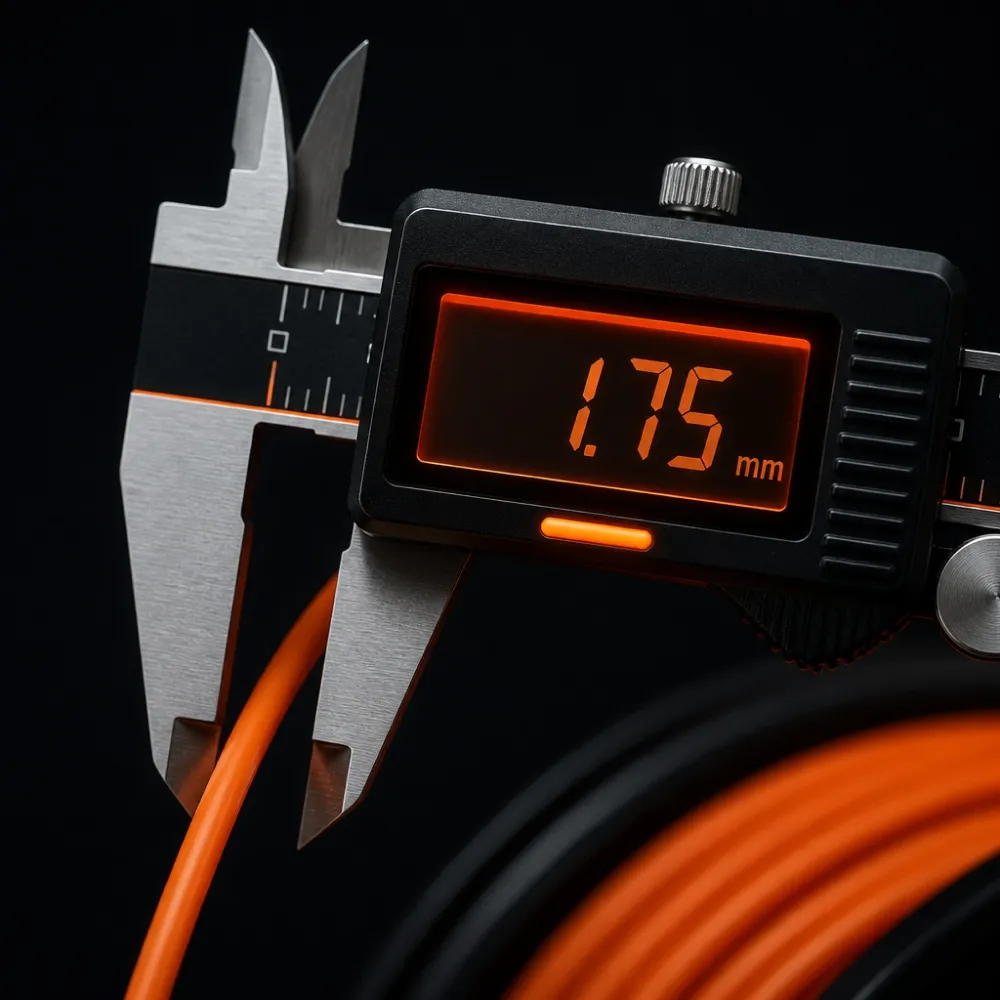
To anyone outside the hobby, “filament tolerance” might sound like a minor spec sheet detail. To anyone running a multi-material AMS unit, an MMU3, or a high-speed CoreXY printer at 0.4mm nozzle diameters, it’s the difference between a flawless 10-hour print and a clogged nozzle three layers in. Diameter consistency (commonly advertised as +/- 0.02mm or tighter), roundness, and moisture control all directly affect extrusion consistency, especially at the higher flow rates that modern high-speed printers demand.
Spectrum has built a loyal following precisely because it has historically delivered that consistency at a price point below premium brands like Prusament, while offering a broader specialty material catalog than many budget competitors.
Why This Matters to the Community
An investment aimed at doubling production capacity is, in practical terms, an investment in availability and price stability for makers — and that affects nearly every hardware ecosystem in different ways:
- Bambu Lab users running AMS or AMS 2 Pro systems are especially sensitive to spool consistency, since the automatic material system relies on accurate filament diameter and smooth feeding to avoid jams across four (or eight) simultaneous spools. Expanded production capacity from a quality-focused manufacturer like Spectrum gives Bambu owners more reliable third-party options beyond Bambu’s own PLA/PETG/ABS lines, which matters for cost-conscious multi-material printing.
- Prusa owners, particularly those running the MMU3 multi-material unit on the MK4 or Core One, depend on filament that feeds smoothly through long PTFE paths without snagging. Spectrum’s engineering-grade materials (PA, ASA, PC blends) are popular in the Prusa community for functional parts, and increased R&D investment could mean faster development of new high-performance filaments tuned for enclosed, all-metal hotend systems.
- Creality users across the K1/K2 and Ender lines benefit from broader availability of mid-priced, high-quality filament as an alternative to bundled or first-party spools — particularly important as Creality’s own ecosystem strategy puts more emphasis on consumables revenue.
- Voron builders, who often push enclosed CoreXY machines to their thermal and mechanical limits with high-temperature engineering filaments, stand to benefit most directly from new material development. Many Voron community projects (tool changers, high-flow hotends, all-metal heat breaks) are essentially designed around squeezing more performance out of exactly the kind of PA, PC, and composite materials Spectrum specializes in.

For the broader US market specifically, increased production capacity in Europe doesn’t guarantee shorter shipping times or lower import costs overnight — international distribution and tariffs remain real variables. But a filament brand with the capital to scale production, invest in R&D, and expand distribution networks is generally a net positive for makers who want reliable, mid-priced alternatives to the largest first-party ecosystems. As Bambu Lab, Creality, and others push their own branded filament lines harder, a well-funded independent manufacturer like Spectrum helps preserve choice and competitive pricing across the material market.
Source: Brand Official / Via FilamentPicks Automation