

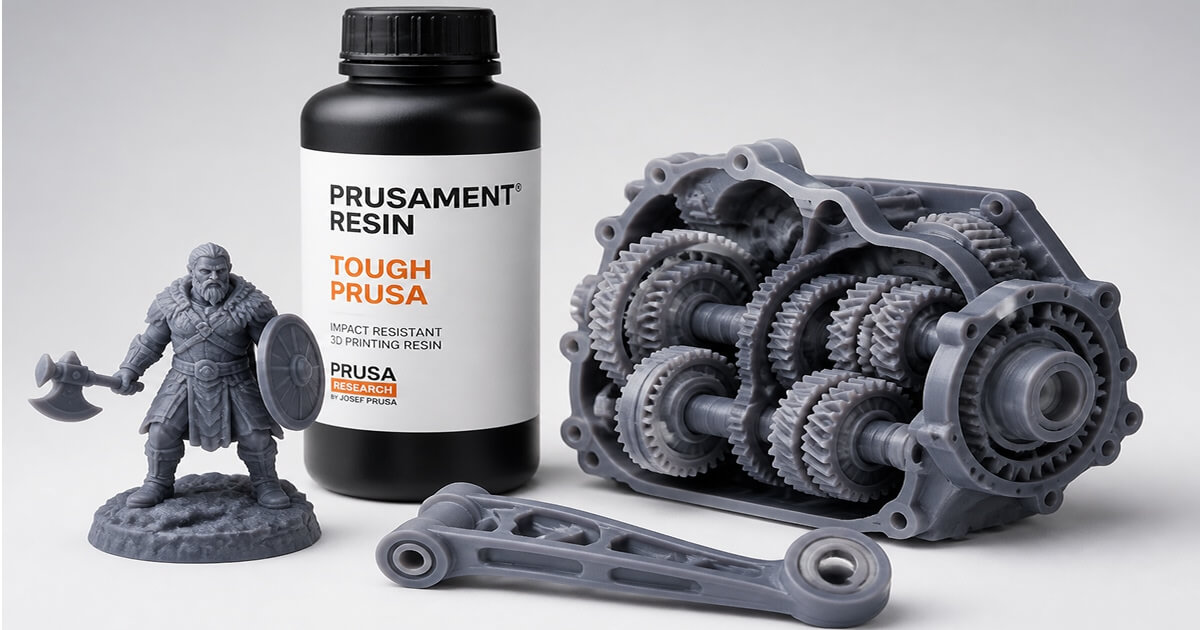
Prusa Research has officially introduced Prusament Resin Model+, a reformulated version of its long-running flagship SLA resin that the company says delivers faster exposure times, improved impact resistance, and a significantly safer health profile for users working in home and small-shop environments. The update arrives as the standard Prusament Model resin has remained a go-to choice for resin printer owners since its original release, and the Model+ formula is positioned as a direct, drop-in successor rather than a separate product line.
What’s Changing in the Model+ Formula
According to Prusa, the reformulation focuses on three core improvements. First, the resin has been chemically adjusted to require shorter exposure times per layer, which translates into measurably faster overall print jobs — a meaningful gain for anyone running batch prints of miniatures, prototypes, or functional parts on machines like the Original Prusa SL1S Speed. Second, the new formula offers noticeably better impact resistance compared to the outgoing Model resin, addressing one of the most common complaints about standard-detail SLA resins: that thin features such as sword blades, antennae, or display stands tend to snap under light stress. Third, Prusa has reworked the pigment suspension system to reduce sedimentation, the process by which color pigments settle and clump at the bottom of a resin bottle or vat over time, often forcing users to shake bottles vigorously or deal with uneven coloration in finished prints.
A Safer Health Profile for Home Users
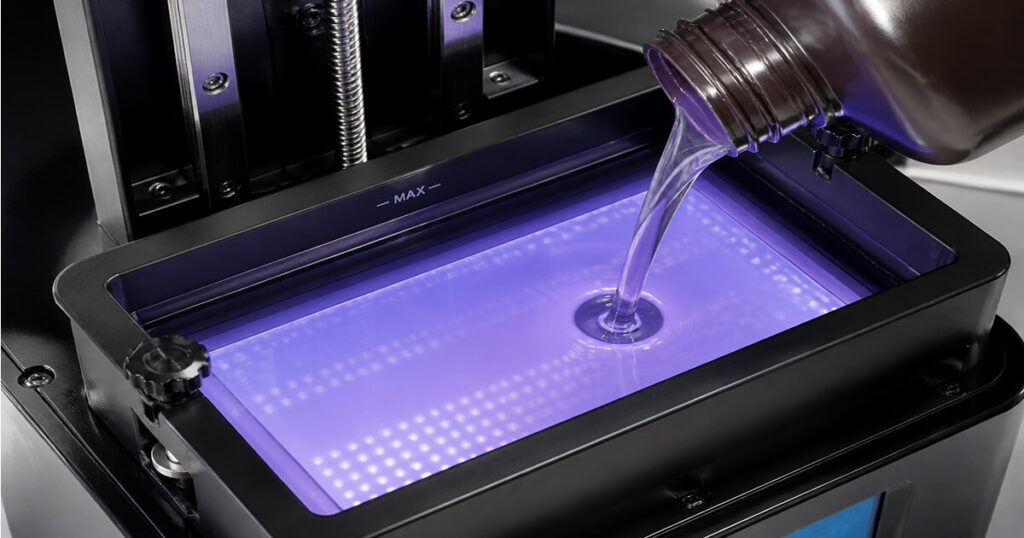
Perhaps the most significant change for everyday makers is the updated health and safety profile. Photopolymer resins have long carried warnings around skin contact and inhalation of uncured material, and manufacturers across the industry have faced increasing scrutiny over the long-term safety of working with these chemicals in non-industrial settings. Prusa says the Model+ formula has been specifically engineered to reduce the associated health risks without sacrificing print quality, which should be welcome news for the growing number of resin printers operating in garages, home offices, and shared maker spaces rather than dedicated industrial facilities.
Why This Matters to the Community
While Prusament Resin Model+ is aimed squarely at resin printing, its ripple effects reach across the broader US 3D printing landscape, including makers whose primary machines are FDM systems from Bambu Lab, Creality, and the Voron ecosystem. It’s increasingly common for hybrid workshops to pair an FDM printer — say, a Bambu Lab P1S or a Voron 2.4 for structural parts and enclosures — with a resin machine like the Prusa SL1S for high-detail components such as miniatures, jewelry masters, connectors, and small mechanical parts that benefit from resin’s superior surface finish. A faster-curing, tougher resin directly improves that workflow: shorter exposure times mean higher throughput on batch jobs, and improved impact resistance means thin functional parts printed in resin are less likely to fail when integrated into larger FDM-printed assemblies.
The improved health profile is arguably the bigger long-term story for the community as a whole. Safety concerns around resin fumes and skin exposure have historically been one of the main reasons makers who are otherwise comfortable with FDM printing — including many in the Prusa, Bambu Lab, and Creality user bases — have hesitated to add an SLA printer to their setup. A reformulated resin that explicitly addresses these concerns lowers that barrier to entry, potentially encouraging more FDM-focused makers to experiment with resin for the first time. For Voron builders in particular, who often run highly customized, ventilated workshop setups and care deeply about material specifications, a transparent reformulation around safety and performance is likely to be well received and closely scrutinized by the community’s notoriously detail-oriented forums and Discord channels.
Reduced pigment sedimentation also solves a quieter but persistent annoyance for anyone who prints in resin regularly: inconsistent color and the maintenance hassle of constantly agitating bottles and vats. For shops running production-style batches of colored resin parts, more consistent pigment distribution means fewer rejected prints and less time spent on quality control between print runs.
Availability
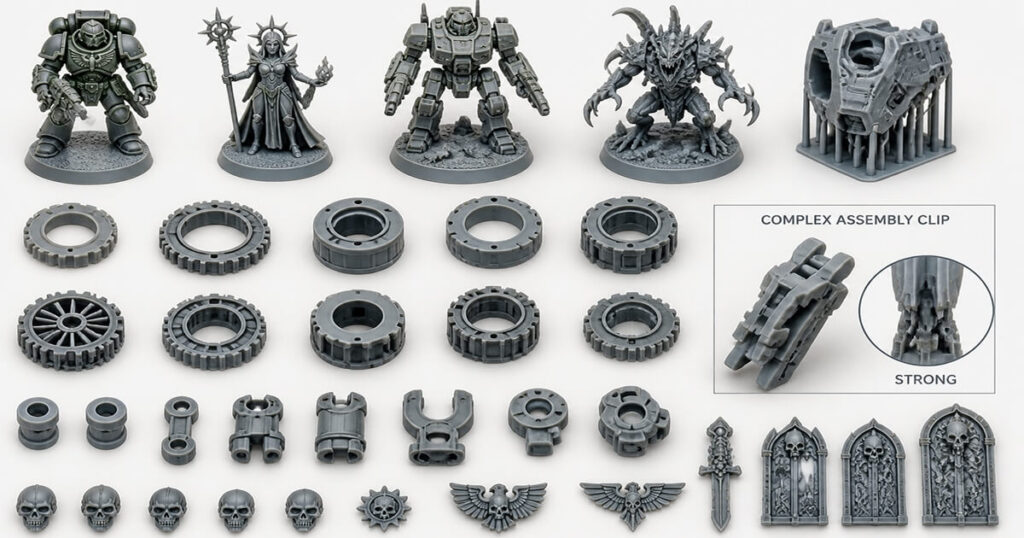
Prusament Resin Model+ is positioned to replace the standard Model resin within Prusa’s lineup over time, with the company framing it as the next-generation default for users who want a balance of detail, durability, and ease of use. As with previous Prusament resin releases, it is expected to be sold in standard bottle sizes compatible with the SL1S Speed and other open-format SLA printers that accept third-party resins, meaning it should also be usable by owners of resin printers from other manufacturers who want to take advantage of the improved formula.