

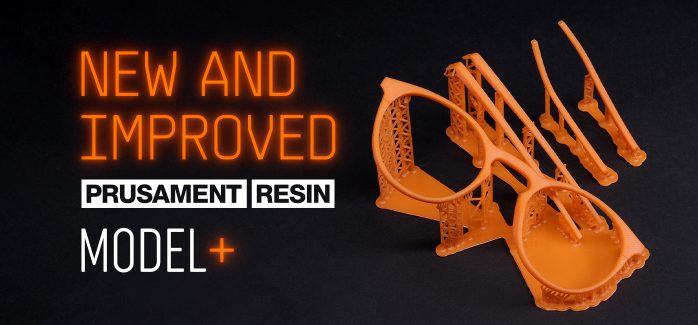
Prusa Reformulates Its Flagship SLA Resin With Prusament Resin Model+
Prusa Research has announced Prusament Resin Model+, a reformulated version of its long-running Prusament Model resin for SLA and MSLA printing. The update is positioned as a meaningful evolution rather than a minor refresh, with Prusa highlighting three core improvements: faster exposure times, significantly better impact resistance, and a safer overall health and handling profile compared to the original formulation.
What’s New in the Model+ Formula
The original Prusament Model resin has served as one of the more popular general-purpose options for owners of Prusa’s SL1S and other MSLA printers, prized for its balance of detail resolution and relatively forgiving post-processing. With Model+, Prusa appears to be addressing some of the most common pain points reported by users of standard photopolymer resins.
Faster Exposure Times
Reduced exposure times per layer translate directly into shorter overall print durations, which is one of the most requested improvements in the resin printing space. Faster-curing resins reduce total job time across large prints with many layers, and can also reduce the cumulative UV exposure a part receives during printing — historically linked to certain types of warping and internal stress in cured resin parts.
Improved Impact Resistance
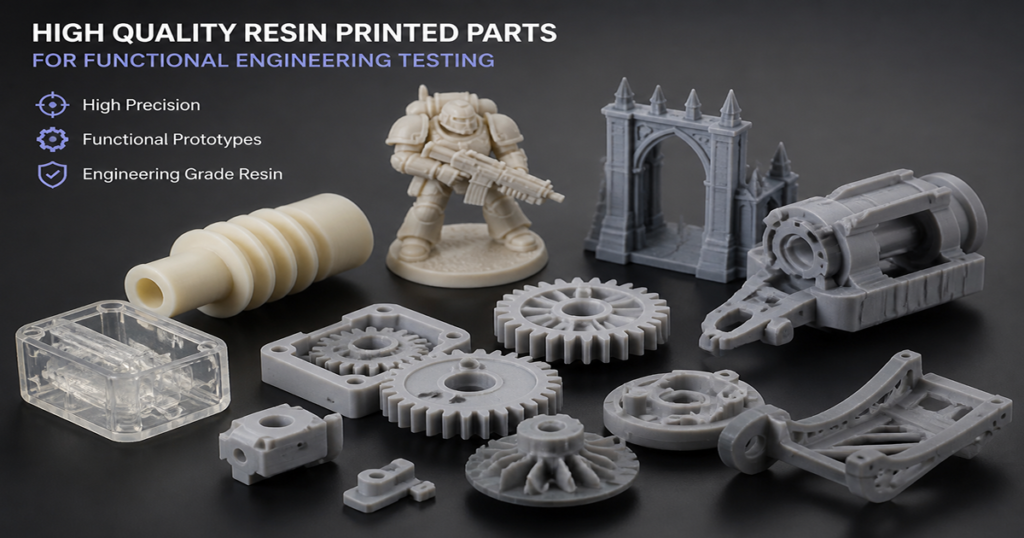
Standard photopolymer resins have a well-documented reputation for being more brittle than FDM-printed parts made from materials like PETG or ABS. Functional parts, snap-fit components, or anything that might be dropped or handled roughly have traditionally been a weak point for resin printing. By improving impact resistance, Prusament Resin Model+ pushes further into territory typically reserved for tougher specialty resin formulations, potentially making SLA-printed parts viable for a wider range of functional applications rather than purely cosmetic or display use.
Reduced Pigment Sedimentation
Pigment settling at the bottom of resin bottles and vats is a common annoyance that requires regular shaking or stirring to maintain consistent color and properties throughout a print. A formulation with reduced sedimentation means less prep time before each print session and more consistent results across long prints, particularly for users who don’t empty and filter their vats between every job.
A Safer Health Profile
Perhaps the most consequential change for everyday users is the improved health and safety profile. Photopolymer resins are known for strong odors and skin sensitization risks, which has historically required dedicated ventilation, nitrile gloves, and careful handling protocols. While Prusa hasn’t detailed the exact chemical changes involved, a ‘safer health profile’ framing suggests reduced volatile organic compound emissions, lower sensitization potential, or both — changes that would make resin printing more approachable for hobbyists working in shared spaces, home offices, or smaller apartments without dedicated ventilation setups.
Availability and Positioning
Prusament Resin Model+ is positioned as a direct successor to the existing Prusament Model resin within Prusa’s materials lineup, rather than a separate premium tier. This suggests Prusa intends for Model+ to become the new default recommendation for SL1S and compatible MSLA printer owners going forward, continuing the company’s pattern of iterating on its in-house material lines based on accumulated user feedback.
Why This Matters to the Community
While SLA and MSLA resin printing occupies a smaller share of the US desktop printing market than FDM, the improvements packed into Prusament Resin Model+ speak to broader trends affecting the entire 3D printing community, including owners of Bambu Lab, Creality, and Voron machines who increasingly run mixed FDM-and-resin workflows. It’s now common for makers to use an FDM printer like a Bambu Lab P1S or a Voron 2.4 for structural parts and enclosures, while reaching for a resin printer — often from Elegoo, Anycubic, or Creality’s Halot line — for high-detail miniatures, jewelry masters, or small mechanical components that demand tight tolerances.
The push toward a safer health profile is arguably the most important development for this cross-platform audience. Resin’s odor and chemical handling requirements have long been cited as the primary reason makers who are otherwise comfortable with FDM printing hesitate to add a resin printer to their workspace. If Prusa’s reformulation meaningfully reduces fumes and skin irritation risk while maintaining print quality, it lowers the barrier for FDM-focused makers — including the large communities built around Bambu Lab’s AMS ecosystem and Creality’s budget-friendly Ender and K-series lines — to add resin capability to their setups without the same level of dedicated ventilation infrastructure previously considered mandatory.
Improved impact resistance is similarly relevant beyond Prusa’s own hardware. The Voron community in particular has a strong culture of designing and printing functional mechanical parts, jigs, and tools, and a tougher general-purpose resin opens up more of those use cases to MSLA printing rather than requiring engineering-grade resins that are typically more expensive and harder to source. For Bambu Lab and Creality users who print small functional parts like AMS spool adapters, hinges, or connector clips, a resin that resists cracking under load means resin printing becomes a more credible alternative for parts that previously had to be done in FDM purely for durability reasons.
Finally, faster exposure times and reduced pigment sedimentation are the kind of incremental quality-of-life improvements that compound over time. For high-volume users — Etsy sellers producing resin-printed miniatures or jewelry components at scale — shaving even a few minutes off each layer’s exposure time across thousands of prints per year, combined with less time spent maintaining vat consistency, adds up to meaningful gains in throughput and reduced material waste. Even for hobbyists printing occasionally, a more consistent, easier-to-handle resin reduces the frustration that often causes new resin printer owners to abandon the technology after a few rough early experiences.
Image credit: Prusa Research Blog / Brand Official